
A busy week can turn the freezer into the most helpful part of the kitchen. Batch-cooked pasta sauce, leftover curry and ready-to-pack school lunch portions all make mornings easier. But can stainless steel containers freeze safely? In most cases, yes - quality food containers made from 304-grade stainless steel handle freezer temperatures very well. The key is allowing room for food to expand and using each container as intended.
Stainless steel itself does not become brittle or crack in ordinary home-freezer conditions the way some materials can. That makes it a practical long-term choice for meal prep, leftovers and family food storage. However, the lid, seal and amount of liquid inside matter just as much as the steel container.
Can stainless steel containers freeze without damage?
A well-made stainless steel food container can generally go from the fridge to the freezer without a problem. Stainless steel is strong, non-porous and designed to cope with cold conditions. For families who cook in batches, it is an easy way to store portions without relying on disposable wraps or constantly replacing worn-out containers.
The main risk is not that the stainless steel will freeze. It is that food, particularly liquids, expands as it freezes. If a container is filled right to the rim, that expansion can push against the lid, dislodge a seal or leave you with a frozen meal that has leaked in the freezer.
For best results, leave a little headspace at the top. Around 2 to 3 cm is usually enough for soups, sauces, stews and other foods with a high water content. Drier foods, such as cooked rice, sliced vegetables or muffins, need less room but should still not be tightly compressed under the lid.
Why stainless steel works well for freezer meal prep
Freezing food is about more than saving leftovers. It can take real pressure off weekday routines. A few prepared portions in the freezer can mean a faster work lunch, an easier dinner after sport, or a backup option when the fridge is looking bare.
Stainless steel containers are particularly useful because they are built for repeat use. Premium 304-grade stainless steel does not absorb food smells, flavours or colours, so last week's tomato-based meal is less likely to affect tomorrow's fruit or sandwich fillings after a thorough wash.
They are also a sensible choice for organising a freezer. Their solid shape stacks neatly, and a durable container is less likely to split when moved around among frozen vegetables, ice packs and family dinners. Just remember that a leakproof lid is designed to keep food contained in everyday transport - freezing a completely full container can still create pressure that no lid should be expected to manage.
The lid and seal need a quick check
Not every component of a food container responds to freezing in exactly the same way. Stainless steel handles the cold well, while silicone seals and fitted lids may become firmer at freezer temperatures. This is normal, but it can make a lid feel tighter when first removed.
Choose containers with secure, well-fitted lids and inspect seals before freezing. If a seal is twisted, damaged or missing, use the container for dry freezer storage rather than soup or sauce. Always follow the care instructions for your specific product, especially if it has clips, a removable seal or a lid made from another material.
How to freeze food in stainless steel containers
Freezer success starts before the container goes near the freezer. Let freshly cooked food stop steaming and cool promptly, then portion it into clean containers. Do not leave cooked food sitting on the bench for hours while it cools - once it has cooled enough to handle, get it chilled or frozen within safe food-storage timeframes.
Avoid placing a very hot container directly into the freezer. This can raise the temperature around other frozen food and can make freezing slower. Portioning food into smaller containers helps it cool and freeze more evenly, which is handy when you only need one lunch or one family serving at a time.
Before closing the lid, leave space for expansion. Wipe any food from the container rim so the seal sits properly, then label the container with the meal and date. A small label saves guesswork later, especially when several similar-looking meals are stacked in the freezer.
Store containers on a flat surface until fully frozen. Once solid, they can be stacked more confidently to make the most of freezer space. If you are freezing several portions at once, avoid crowding them tightly together at first. Cold air needs room to circulate so food freezes promptly.
Foods that need extra room
Soups, stocks, curries, dhal, pasta sauces and smoothie ingredients are all freezer-friendly, but they need more headspace than solid foods. They contain enough water to expand noticeably as they freeze.
Take particular care with foods in a lot of sauce. A container that looks only just full when it is warm can become overfilled once the contents are frozen. For family meal prep, it is often easier to freeze single portions slightly below the container's maximum capacity than try to scrape overflow from a frozen lid later.
Foods such as sliced bread, cooked meat, grated cheese, berries and chopped vegetables are less likely to cause pressure issues. Even so, leave the lid easy to close rather than forcing it down. A little room protects the seal and makes the container easier to open when needed.
Can you freeze drinks in stainless steel bottles?
This is where more caution is needed. Freezing a full drink bottle is not recommended, even if the bottle itself is stainless steel. Water and other drinks expand as they freeze, and that pressure can affect the lid, seal or shape of the bottle.
This is especially relevant for insulated drink bottles. Their double-wall construction is designed to keep drinks cold or warm, not to be packed full and frozen solid. If you want chilled water for a school bag, refrigerate the bottle overnight, use cold water in the morning, or add a few ice cubes only if the product care guidance allows it.
For lunchbox cooling, a separate ice pack is usually the more reliable option. It keeps food cool without putting unnecessary stress on a bottle or creating a surprise leak in a school bag.
Defrosting without fuss
The safest, simplest way to defrost food is in the fridge. Move the container from the freezer to the fridge the night before, and it should be ready for a work lunch or dinner the next day. Smaller portions defrost faster, which is another reason they are useful for busy households.
If the lid feels stuck, do not force it. Let the container sit in the fridge for longer, or run cool-to-lukewarm water over the outside of the lid area briefly. Avoid sudden extreme temperature changes, such as taking a frozen container and placing it under very hot water. Gentle thawing is easier on lids and seals, and it helps preserve the food's texture too.
Once thawed, reheat food thoroughly where appropriate and avoid refreezing food that has fully defrosted unless it has been cooked again. For school lunches, pack defrosted food cold with an ice pack if it will not be eaten straight away.
A practical choice for make-ahead meals
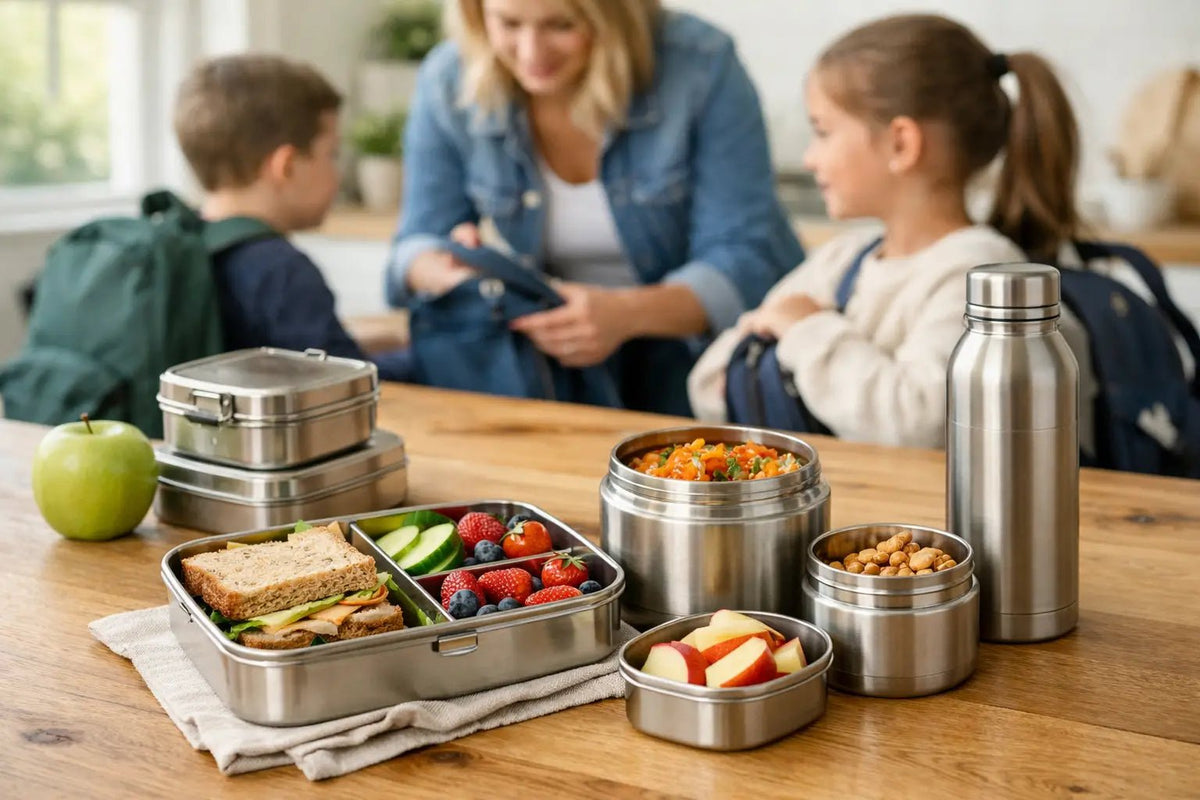
Freezer-friendly storage is most useful when it makes daily life simpler. A container that can hold Sunday night's leftovers, store a prepared lunch portion and stand up to regular washing earns its place in a busy kitchen.
Meals In Steel containers are designed for everyday food storage, with durable stainless steel construction that suits meal prep, fridge organisation and packed lunches. As with any container, check the individual product's care guidance before freezing, particularly for lids and seals.
A little headspace, a secure lid and sensible thawing are all it takes. Freeze the portions that will make your week easier, then enjoy the relief of a ready meal when the day gets busy.
Our picks for freezer meals
- Single-serve meals and curries: Bento Leakproof Square Lunch Box 1000ml. Square, leakproof and stacks neatly.
- Bigger portions, soups and stews: Large Leakproof Bento 1500ml.
- Stackable batch portions: Square Sandwich Box & Takeaway Container in S, L and XL. Three matching sizes that stack.
- Small portions like pesto, stock and sauces: Airtight Rectangular Snack Container 150ml, Airtight Big Dipper 150ml and Airtight Snack Dipper 60ml.
Dishwasher and Freezer Safety for Stainless Steel Food Containers
Quick answer: 304 stainless steel lunchboxes and snack containers are dishwasher safe and freezer safe. For the longest life, take the silicone seal out to wash it, leave space for food to expand when freezing, and never freeze liquid inside a sealed drink bottle.
| Item | Dishwasher | Freezer | Microwave |
|---|---|---|---|
| Stainless steel lunchboxes and snack containers | Yes | Yes – leave headspace | No |
| Silicone seals | Remove and wash separately | Yes | No |
| Drink bottles (single and double wall) | Yes – remove the lid seal | Never with liquid inside | No |
Are stainless steel lunchboxes dishwasher safe?
Yes. Meals In Steel lunchboxes and snack containers are made from 304 food-grade stainless steel and are dishwasher safe. For best results, remove the silicone seal from the lid before washing, place the container upside down so water drains, and dry it fully before storing.
Can I put the silicone seal in the dishwasher?
We recommend removing the seal and washing it by hand in warm soapy water. This lets you clean the groove underneath, where food can collect, and helps the seal keep its shape and stay leakproof for longer. Make sure the seal is completely dry before fitting it back into the lid. Replacement seals are available if yours wears out.
Are insulated drink bottles dishwasher safe?
Yes. All Meals In Steel drink bottles, single and double wall, are dishwasher safe. Take the silicone seal out of the lid and wash it separately so it stays leakproof for longer.
Can stainless steel food containers go in the freezer?
Yes. Our stainless steel lunchboxes and snack containers are freezer safe, which makes them great for batch-cooked meals, frozen fruit and make-ahead lunches. Steel will not crack in the cold the way some plastics can.
How do I freeze food in a stainless steel container safely?
- Let hot food cool before it goes in the freezer.
- Leave 2–3cm of space at the top for soups, sauces and other liquids, because they expand as they freeze.
- Close the lid firmly so the silicone seal keeps air out and prevents freezer burn.
- Thaw frozen meals in the fridge overnight.
Can I freeze water in a stainless steel drink bottle?
No. Water expands when it freezes, and inside a sealed bottle that pressure can split a seam, warp the base, force the lid or damage the vacuum layer of an insulated bottle. To keep drinks cold, fill an insulated bottle with ice cubes and cold water instead, or chill a single layer bottle in the fridge.
Can I microwave or heat food in a stainless steel container?
Never put stainless steel in the microwave. To reheat, move the food to a microwave-safe plate or bowl. Some of our leakproof lunchboxes can go in a conventional oven up to 180°C once the silicone seal is removed – check each product page before heating.
Why does my stainless steel container have white spots or marks after washing?
White spots are usually mineral deposits from hard water or dishwasher detergent, not rust. Wipe them away with a cloth dipped in white vinegar, then rinse and dry. Drying containers straight after washing helps prevent spots coming back.
Will stainless steel rust in the dishwasher?
304 stainless steel is highly resistant to rust. Occasional brown marks usually come from food left sitting for a long time, rust transferred from other items in the dishwasher, or harsh cleaners. Avoid bleach, chlorine-based cleaners and steel wool, and wipe marks away with a paste of baking soda and water.
Shop dishwasher-safe stainless steel lunchboxes · Replacement silicone seals


Leave a comment
This site is protected by hCaptcha and the hCaptcha Privacy Policy and Terms of Service apply.