
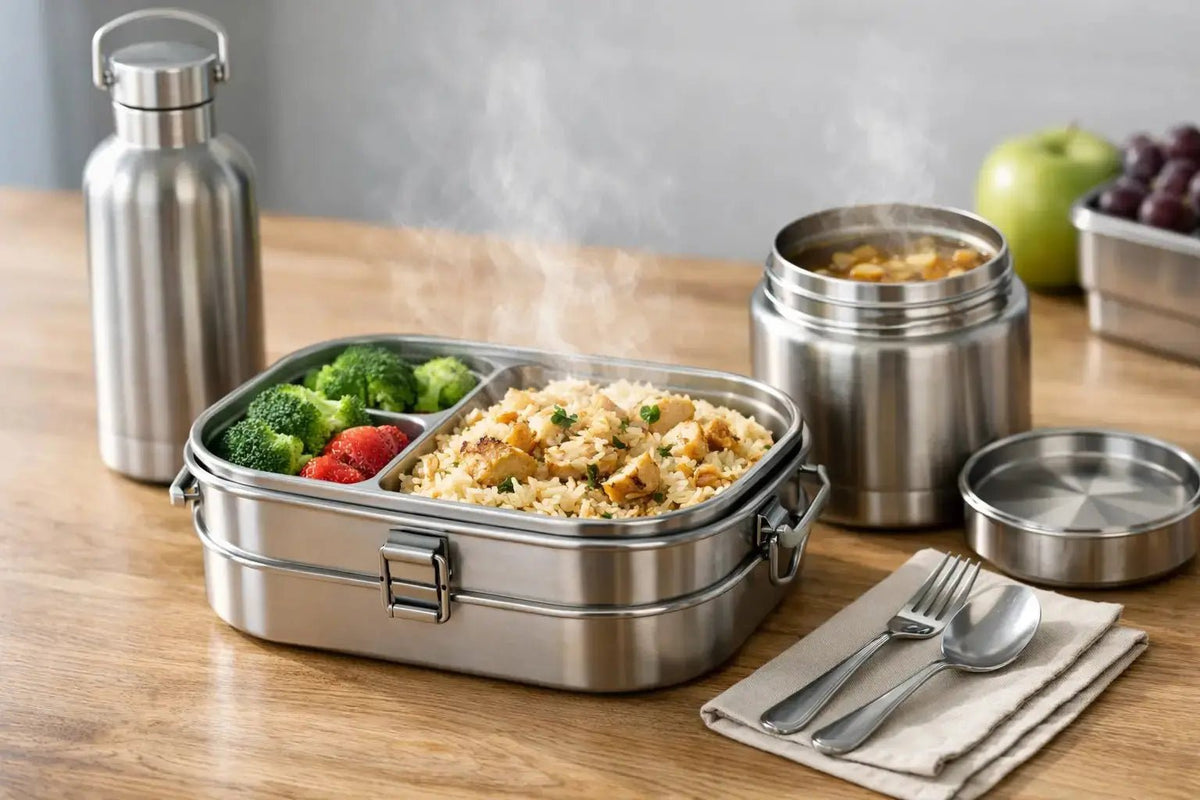
Packing warm food at 7 am and hoping it still feels fresh by lunchtime is a familiar problem for parents and office workers alike. So, does a stainless steel lunch box keep warm? The honest answer is sometimes - but not in the way many people expect. A standard stainless steel lunch box can help hold heat for a while, but it is not the same as an insulated food jar or thermal container.
That difference matters. If you are packing leftovers, pasta, rice, nuggets or warm toasties for school or work, the material of the lunch box is only one part of the story. The shape, wall construction, lid seal, how hot the food was to start with, and how long it sits before eating all affect the result.
Does a stainless steel lunch box keep warm better than plastic?
In many everyday cases, yes - but only to a point. Stainless steel is durable, food-safe and far better at handling hot food than flimsy plastic containers. It does not warp as easily, it does not hold odours the same way, and it gives you a stronger, longer-lasting option for daily lunch packing.
But when people ask whether a stainless steel lunch box keeps food warm, they are usually asking if it works like a thermos. A regular single-wall lunch box does not. Stainless steel on its own is not magic insulation. It will hold heat better than some lightweight materials in short periods, but it also conducts heat, which means warmth can move out of the container over time.
That is why a stainless steel bento box is excellent for durability, leak resistance and plastic-free food storage, but not always the best choice if your main goal is keeping soup or leftovers piping hot for four to six hours.
What actually affects how warm food stays?
The lunch box matters, but a few practical details matter more than most people realise.
Single-wall vs insulated stainless steel
This is the biggest factor. A standard stainless steel lunch box is usually single-wall. That means it has one layer of steel with no vacuum insulation between layers. It is strong, easy to clean and built to last, but heat escapes more quickly.
An insulated stainless steel container, such as a food jar, is designed specifically to slow heat loss. These products usually have double walls and a vacuum gap, which helps keep hot food warm for much longer.
If your child wants warm pasta at school lunch, or you want curry to stay properly hot at work, an insulated food jar is usually the better tool.
How hot the food is when packed
Warm food cools quickly. Hot food lasts longer. If you pack food that is only slightly heated, it may be lukewarm well before lunch. If you pack it steaming hot, you give it a much better chance of holding useful warmth.
This is why many families preheat insulated containers with boiling water before filling them. That simple step makes a noticeable difference.
Empty space inside the container
Air speeds up heat loss. A full container usually keeps warmth better than one that is only half filled. If there is lots of space around the food, the temperature drops faster.
A snug-fitting container often performs better than an oversized one for warm lunches.
The outside environment
A lunch box sitting in an air-conditioned office, a cold classroom cubby, or the boot of a car on a chilly morning will lose heat faster than one kept indoors at a steady temperature. In New Zealand, where mornings can be cold even outside winter, that can make a real difference.
How long will food stay warm in a stainless steel lunch box?
For a regular stainless steel lunch box, think in terms of helping food stay warmer for a short period, not keeping it hot all morning. If food goes in hot and the container is packed well, it may still be pleasantly warm after one to two hours. Beyond that, it often shifts into lukewarm territory.
That is not necessarily a problem. Some foods are still enjoyable when they are not steaming. Fried rice, pasta, mini pancakes, roasted veg, savoury muffins and chicken bites can all be eaten safely and happily once they have cooled, provided they were packed properly.
If you want food to stay genuinely hot until lunch, a vacuum-insulated stainless steel food jar is a better fit. Those are made for heat retention first. A lunch box is usually made for storage, separation and portability first.
When a stainless steel lunch box works well for warm food
A stainless steel lunch box can still be a great choice if your goal is practical everyday packing rather than maximum heat retention.
It works well when lunch is eaten relatively soon after packing, when the food does not need to stay piping hot, or when the meal tastes fine warm, room temperature or slightly cooled. It is also a strong option for families who care more about leakproof performance, durability and avoiding plastic than they do about keeping food hot for hours.
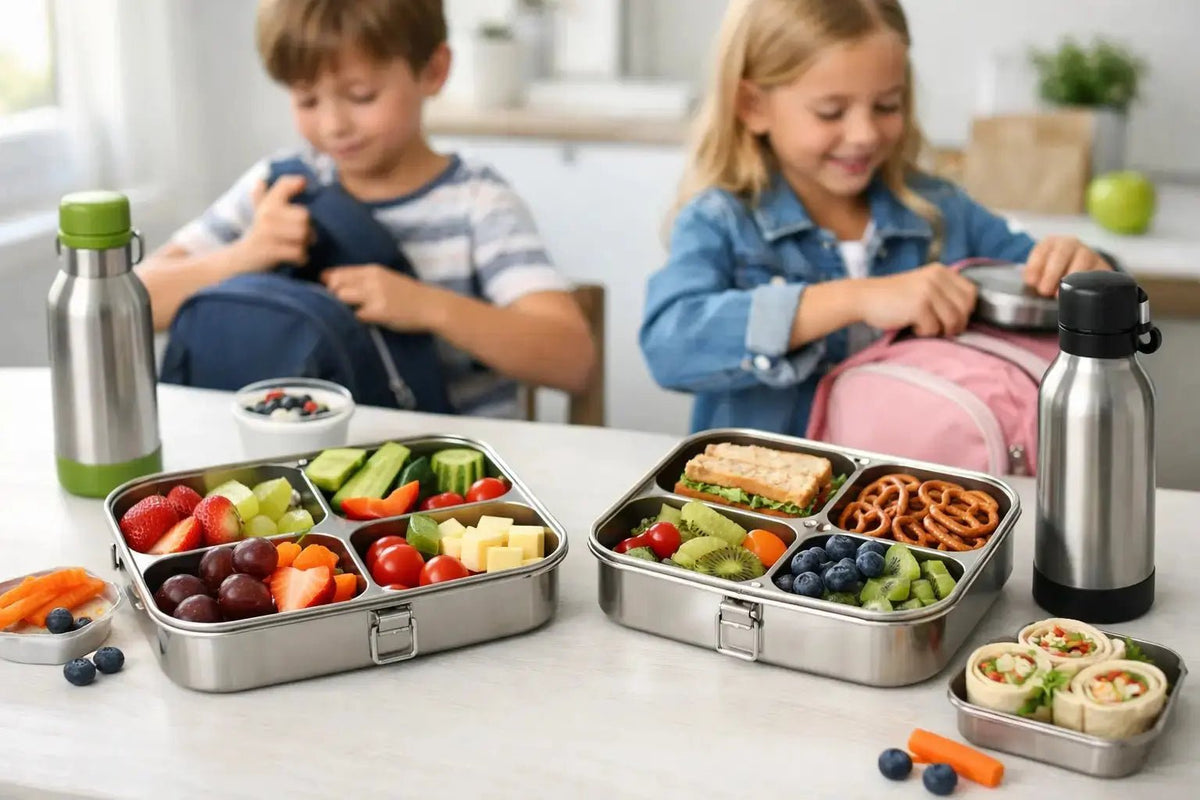
For school lunches, this matters. Most children are not expecting a restaurant-hot meal at midday. They need food that travels well, does not leak through the school bag, and still looks appetising when lunch break arrives. Stainless steel does that job very well.
When you need something more than a lunch box
If the plan is soup, noodles, porridge, dhal or leftovers that really need to stay hot, a standard lunch box is not the right product on its own. This is where many shoppers get disappointed - not because stainless steel is poor quality, but because they are asking a lunch box to do the job of a thermal container.
The better approach is to match the container to the meal. Use a leakproof stainless steel lunch box for sandwiches, fruit, crackers, wraps, slices and foods that are fine cool or lightly warm. Use an insulated food jar for meals where heat is part of the eating experience.
That small shift usually solves the problem.
Tips if you want food to stay warmer for longer
If you are using a stainless steel lunch box and want the best possible result, a few habits help.
Pack the food as hot as is practical, and close the lid straight away so heat is trapped early. Fill the container well rather than leaving lots of empty space. Wrap the lunch box in a tea towel or place it inside an insulated lunch bag to reduce heat loss. Keep it out of cold spots where possible.
For thermal food jars, preheating is worth the extra minute. Fill the jar with boiling water, leave it for a few minutes, tip it out, then add hot food immediately. That gives the stainless steel interior a head start and helps the meal stay warm much longer.
Is stainless steel still worth it if it does not keep food hot all day?
Absolutely. Heat retention is only one part of what makes a lunch box useful. For many families, the bigger wins are that stainless steel is built to last, easy to wash, resistant to stains and odours, and free from the cracking and warping that often comes with cheap plastic.
It also suits real life. Lunch boxes get dropped, squashed into school bags, stacked in kitchen cupboards and used day after day. A good stainless steel container is made for that kind of routine. If it is leakproof as well, it becomes even more practical for yoghurt, dips, juicy fruit and packed leftovers.
That is why many parents choose stainless steel even when they know it is not a heating device. They want fewer replacements, less plastic, and lunch gear they can rely on.
Meals In Steel focuses on that kind of everyday performance - containers that are durable, practical and designed for real school and work lunches, not just for looking good on a shelf.
So, does a stainless steel lunch box keep warm?
Yes, a stainless steel lunch box can help keep food warm for a while, especially compared with flimsy alternatives. But if it is a standard single-wall lunch box, do not expect it to keep meals hot for hours. For that, you need insulated stainless steel designed specifically for heat retention.
The good news is that you do not need one container to do everything. Choose a lunch box for durability, leakproof convenience and plastic-free daily packing. Choose an insulated jar when warmth is the priority. Once you match the container to the meal, lunchtime gets much easier.


Leave a comment
This site is protected by hCaptcha and the hCaptcha Privacy Policy and Terms of Service apply.