
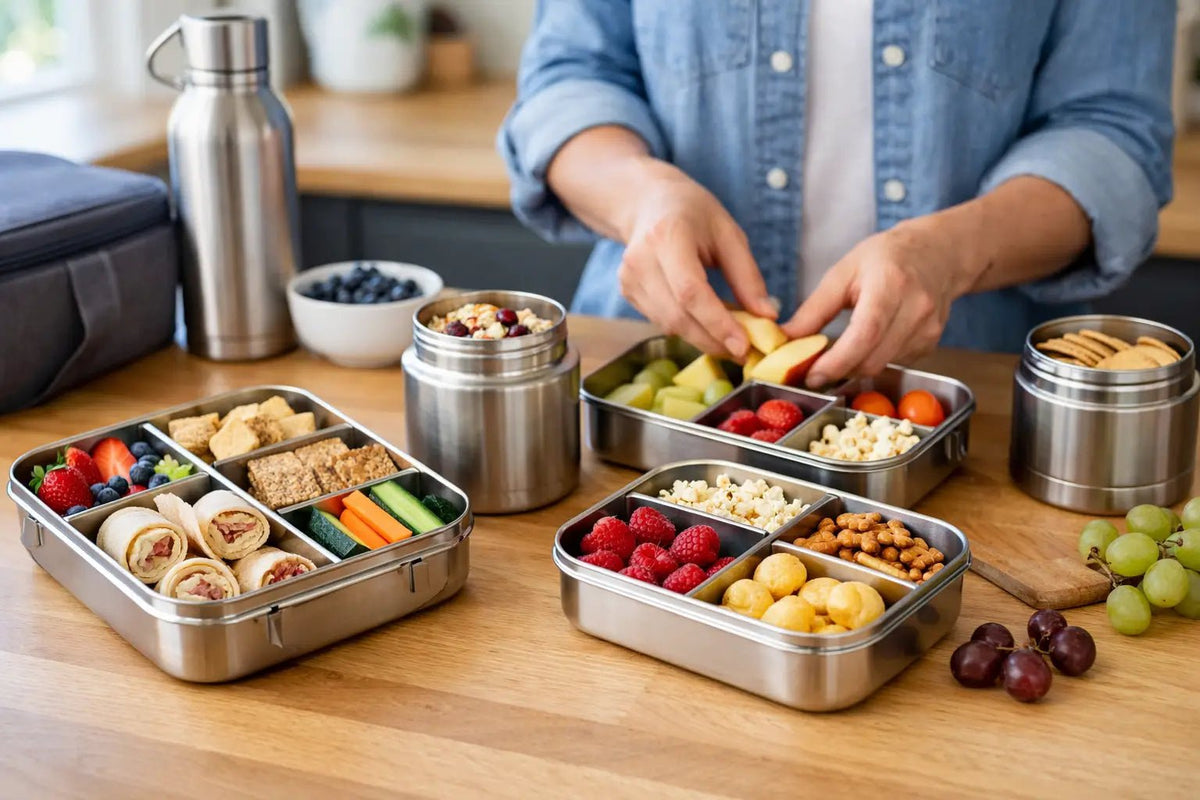
A toddler can reject the same snack they loved yesterday purely because it was cut the wrong way. That is exactly why learning how to pack toddler snack boxes is less about perfection and more about making smart choices that survive a busy morning, a pram ride, and a very firm opinion from a small child.
The best snack box is easy to open, simple to eat from, and packed with food that still looks appealing by the time it is offered. For parents, that usually means balancing variety, portion size, mess control and enough staying power to get through outings, kindy runs or afternoon errands without a meltdown.
What makes a good toddler snack box
A good toddler snack box does not need to be packed with lots of different foods. In fact, too much choice can be just as unhelpful as too little. Most toddlers do better with a few familiar options and one small point of interest, whether that is a different fruit, a new shape, or a dip they already know.
Texture matters more than many parents expect. Soft foods are easier for younger toddlers, but if everything is soft and wet, the box can quickly turn unappetising. A better approach is to combine textures that hold up well, such as sliced fruit with a dry cracker, or cooked veggie pieces with cheese and a small baked item. This gives variety without making the whole box soggy.
Portion size matters too. Toddler appetites are unpredictable, so overpacking often creates waste rather than security. Smaller portions in separate sections usually work better because the food stays neat, visible and easier to pick up. A divided stainless steel snack box is especially useful here, as it helps keep foods separate and can handle daily use without clips snapping or containers staining over time.
How to pack toddler snack boxes without overthinking it
The simplest method is to pack three parts: something fresh, something filling, and something easy to grab. That could look like pear slices, cheese, and a few oat biscuits. Or cucumber sticks, mini sandwich fingers, and berries. The goal is not to create an Instagram snack box. It is to pack food your toddler is likely to eat.
If your child is in a phase where foods cannot touch, use the sections properly. Separation can be the difference between a snack getting eaten and a snack coming home untouched. If your toddler is happy with mixed textures, you can be more flexible, but most parents find divided containers make daily packing easier and faster.
Think about timing as well. A mid-morning snack box can be lighter than one packed for a long car trip or an afternoon at the park. If the snack needs to keep a toddler going for longer, include something with more substance, such as boiled egg, savoury muffin pieces, pikelets, cheese, or a small wrap sliced into rounds.
Choosing foods that travel well
Not every healthy snack is practical once it leaves the kitchen. Yoghurt can work, but only if your container seals properly and your child can manage it without wearing half of it. Very juicy fruit can leak into everything else. Crumbs spread fast. Sticky foods are fine at home, but not always ideal when you are out.
That is why travel-friendly snacks matter. Firmer fruit like apple, pear, mandarin segments or blueberries usually hold up well. Cheese cubes or slices are reliable and easy to portion. Mini sandwiches, scrolls, cooked pasta, rice balls and veggie fritters can all work depending on your toddler’s age and chewing ability.
It also helps to match the food to the container. A leakproof snack box gives you more flexibility with dips, cut fruit and softer foods. Stainless steel is particularly handy for everyday family use because it is durable, easy to clean and does not hold odours the way lower-quality containers sometimes do after repeated use.
How to balance variety and familiarity
One reason parents get stuck on how to pack toddler snack boxes is the pressure to keep every snack different. In reality, most toddlers like repetition. Familiar foods feel safe, and that is a good thing. You do not need a whole new menu every day.
A practical way to keep interest without starting from scratch is to rotate one element at a time. Keep two familiar staples and swap the third. If your toddler reliably eats cheese and crackers, change the fruit. If they always eat fruit and mini muffins, try a different savoury option. This keeps the box predictable enough to be accepted, but varied enough to support a broader range of foods over time.
There is a trade-off here. Too much sameness can make snacks nutritionally narrow, but too much novelty often leads to waste. Most families do best somewhere in the middle.
Packing for different toddler stages
A younger toddler who is still building confidence with self-feeding will usually need softer textures, smaller pieces and simpler combinations. Think steamed veggie coins, ripe fruit slices, shredded chicken, soft cheese or quartered sandwiches. The focus should be on safe shapes, manageable bites and foods that are easy to lift from the box.
An older toddler may cope well with more texture and larger finger foods. This is where mini scrolls, savoury pancakes, cucumber batons, boiled egg halves and homemade baking can fit nicely. Older toddlers also tend to have stronger opinions, so visual presentation can make more difference than parents expect. Neat sections and manageable portions often encourage more independent eating.
It depends on the child, of course. Age helps as a guide, but appetite, chewing skill and sensory preferences matter more than a number.
A simple formula for everyday snack packing
If you want a routine that takes less mental effort, use this formula: fruit or veg, protein or dairy, and a carbohydrate-based snack. That might be strawberries, cheddar and crackers. Or corn fritter pieces, kiwi fruit and a small scone. It covers the basics and makes it easier to build a box from what you already have.
For longer outings, add one extra filling item. For short trips, keep it lighter. If you are packing for a child who gets hungry quickly, choose foods with a bit more staying power. If the snack is close to lunch or dinner, smaller portions may be enough.
This kind of framework is helpful because it is flexible. You are not tied to exact recipes, and you can work with leftovers, pantry staples or whatever is in season.
How to keep toddler snack boxes appealing
Presentation does not need to be fancy, but it does need to be practical. Large chunks can feel overwhelming. Overfilled sections can make the box hard to navigate. Foods packed while too warm can create condensation and spoil the texture of everything else.
Cool cooked items before packing them. Pat washed fruit or veg dry. Cut foods into pieces that suit your toddler’s current stage, not the stage they were at three months ago. These small habits make a noticeable difference to whether the snack still looks and feels good when it is time to eat.
The container itself matters as well. A well-designed snack box should be easy for little hands to open, sturdy enough for daily use, and reliable enough that you are not second-guessing what can safely go inside. For busy families, that kind of dependability saves time every single day.
Common mistakes when packing toddler snacks
The most common mistake is packing with adult logic instead of toddler logic. Adults tend to prioritise what is efficient, tidy or nutritionally ideal on paper. Toddlers care more about familiarity, texture, ease of eating and whether one blueberry has touched the cheese.
Another mistake is sending too much. A crowded snack box can be visually overwhelming, and it often leads to half-eaten food. Smaller serves are easier to manage, and you can always adjust based on what comes back.
The last one is ignoring real-world conditions. Snacks do not stay on a kitchen bench. They get carried in nappy bags, daycare bags and under prams. If the box leaks, pops open or does not hold up to daily use, even the best snack plan becomes hard work. That is one reason many families move to durable stainless steel options built for repeated packing, washing and rough handling.
How to make snack packing easier through the week
The easiest snack boxes are built from foods you have already prepared. Washing berries, slicing cheese, baking a batch of savoury muffins or keeping boiled eggs ready in the fridge can take a lot of pressure off weekday mornings. It does not need to be full meal prep. Even one or two ready-to-pack items can speed things up.
It also helps to notice patterns. If your toddler reliably eats certain foods on the go, keep those in regular rotation. Save experimental foods for home when there is less pressure and less waste if they are rejected.
For many families, the goal is not to pack the perfect box. It is to pack one that gets eaten, travels well and makes the day easier. If your snack box does that consistently, you are already doing it right.
A good toddler snack box should feel like one less thing to worry about - simple to pack, easy to carry, and ready for real life.


Leave a comment
This site is protected by hCaptcha and the hCaptcha Privacy Policy and Terms of Service apply.