

The 3 pm hunger hit is predictable. The squashed cracker, bruised apple and yoghurt that has escaped into a school bag are not. Well-chosen snack boxes make the small breaks in a child’s day easier to pack, easier to eat and far less likely to create a clean-up job at pick-up time.
For busy families, a snack box is not simply a smaller container. It is the practical piece that keeps morning tea separate from lunch, gives children manageable portions and helps food arrive in the same condition it left the kitchen. The right one can also earn its place well beyond school - in the office, on the sports sideline, in the car and on weekend walks.
Why snack boxes deserve a place in the lunch routine
School lunches often need to cover more than one eating moment. A full lunchbox can be ideal for sandwiches, wraps and a larger meal, while a smaller container gives morning tea its own protected space. This makes packing more organised and helps children find what they need without pulling everything apart.
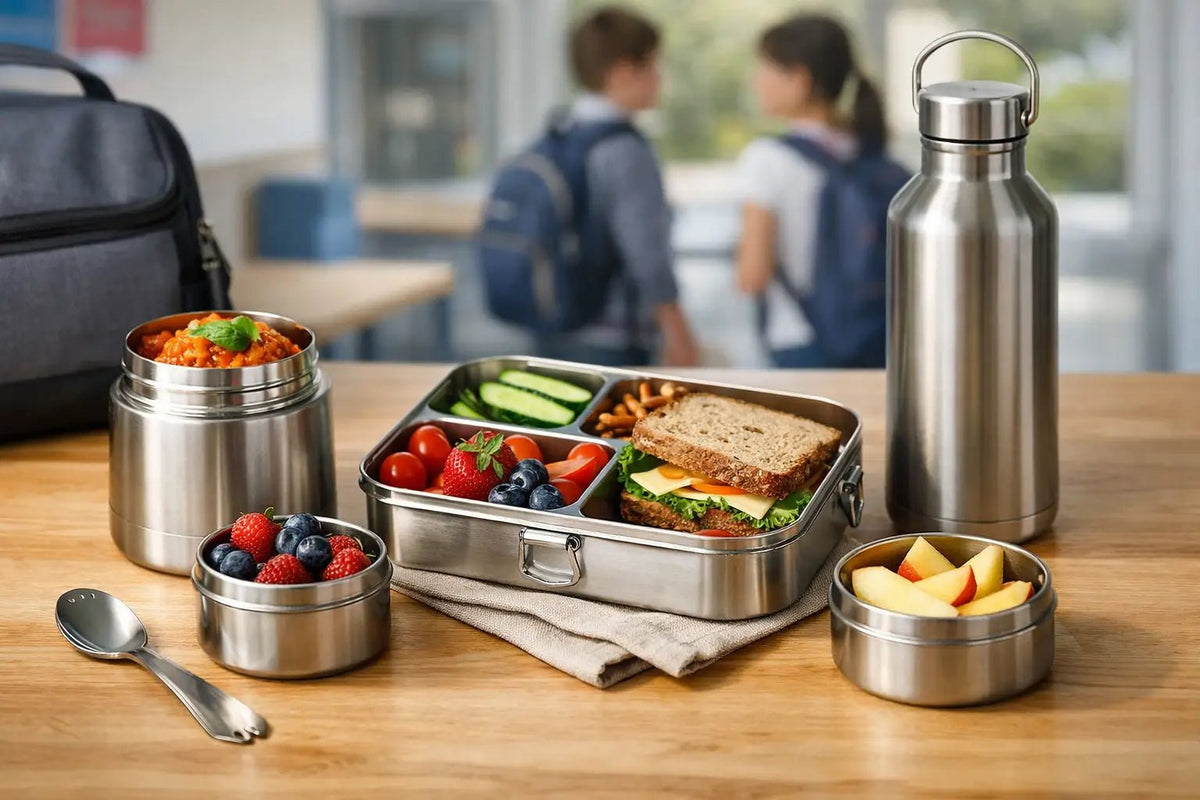
A dedicated snack box also encourages variety without creating unnecessary fuss. Think cheese cubes with pear slices, crackers with hummus, popcorn with dried fruit, or a small portion of leftovers for an after-school activity. When food is packed in sensible portions, it is easier for little hands to open, eat and repack.
There is a sustainability benefit too. Durable stainless steel snack boxes can reduce reliance on single-use wrapping and disposable bags. Unlike containers that crack, stain or hold onto smells after a short period of use, quality stainless steel is designed for the daily cycle of packing, carrying, washing and doing it all again tomorrow.
What to look for in snack boxes
The best choice depends on what you pack most often and who will use it. A preschooler carrying fruit and crackers has different needs from a teen packing a protein snack for sport. Still, a few practical details matter for almost every household.
A size that matches the food, not just the bag
A snack box should be compact enough to fit alongside lunch, a drink bottle and a jumper, but roomy enough that food is not crammed in. For everyday school use, look for a shape that holds a realistic serving of fruit, crackers, cheese, baking or vegetables without leaving too much empty space.
Shallow boxes work well for foods children can see and reach easily. Deeper containers suit bulkier snacks such as bliss balls, muffins or a small serving of pasta. If you regularly pack several foods together, a divided design can stop softer food rubbing against dry snacks.
It is worth measuring the usable space inside the school bag, particularly for younger children. A box that looks compact on the bench can feel bulky once it is squeezed between books and a jacket. A tidy fit is more likely to come home every day rather than being left behind.
Leakproof performance where it counts
Not every snack needs a leakproof container. Dry foods such as crackers, popcorn and sliced fruit may only need a secure lid. But if yoghurt, hummus, dips, juicy berries or leftovers are on the menu, a properly sealed design is worth prioritising.
Leakproof performance is especially valuable for school bags, where containers spend hours tipped on their side, carried upside down or knocked about in the playground. A secure seal protects more than the snack itself. It protects books, clothing and the rest of lunch from becoming a sticky mess.
Use the container as intended, though. A leakproof snack box is ideal for moist foods and thick dips, but it is not always the right choice for hot soups or heavily liquid meals. Matching the food to the container keeps expectations realistic and results reliable.
Materials built for daily use
304-grade stainless steel is a strong choice for families who want food storage that lasts. It is durable, easy to clean and does not absorb food odours or flavours in the way some materials can. It also gives parents a straightforward alternative when they want to reduce plastic in their daily food routine.
Check the full construction rather than assuming every part is the same material. Stainless steel bodies offer excellent durability, while lids, seals and clips can vary by product. What matters is that each component is well made, food-safe and suited to repeated use.
For school-aged children, look for smooth edges, a lid that is secure without being frustrating, and a design they can operate independently. The most durable box is not much help if a child cannot open it at morning tea.
Easy cleaning is not a minor detail
A snack container is likely to be used five days a week, often more. Simple shapes, wide openings and removable seals where applicable make washing quicker and help prevent food getting trapped in hard-to-reach corners.
Stainless steel is particularly useful for snacks with strong flavours, such as cheese, boiled egg or spiced leftovers. A proper wash at the end of the day usually leaves it ready for tomorrow’s food, rather than carrying yesterday’s smell into a fresh pack.
How to pack a snack box children will actually eat
The goal is not a picture-perfect lunch. It is food that survives the school day and comes home eaten rather than untouched. Start with one familiar item, then add one or two simple options that create colour, texture or crunch.
Keep portions realistic. Children often have limited time to eat, especially when they are keen to get outside. A whole piece of fruit may be less practical than sliced apple or mandarin segments, while a large homemade muffin can be easier to manage when cut in half. If packing apple or pear, a little lemon juice can help slow browning.
Dry and wet foods need some thought. Crackers stay crisp when kept apart from dips, and chopped cucumber is best patted dry before packing. A small leakproof container can hold yoghurt or hummus, while a divided snack box may be enough for foods that only need separation rather than a full seal.
It also helps to use a familiar rhythm. For example, pack fruit, a savoury item and something filling. This reduces decision fatigue on busy mornings and gives children a balanced range without overcomplicating the process. Rotate foods across the week rather than trying to create a brand-new combination every day.
Beyond the school gate
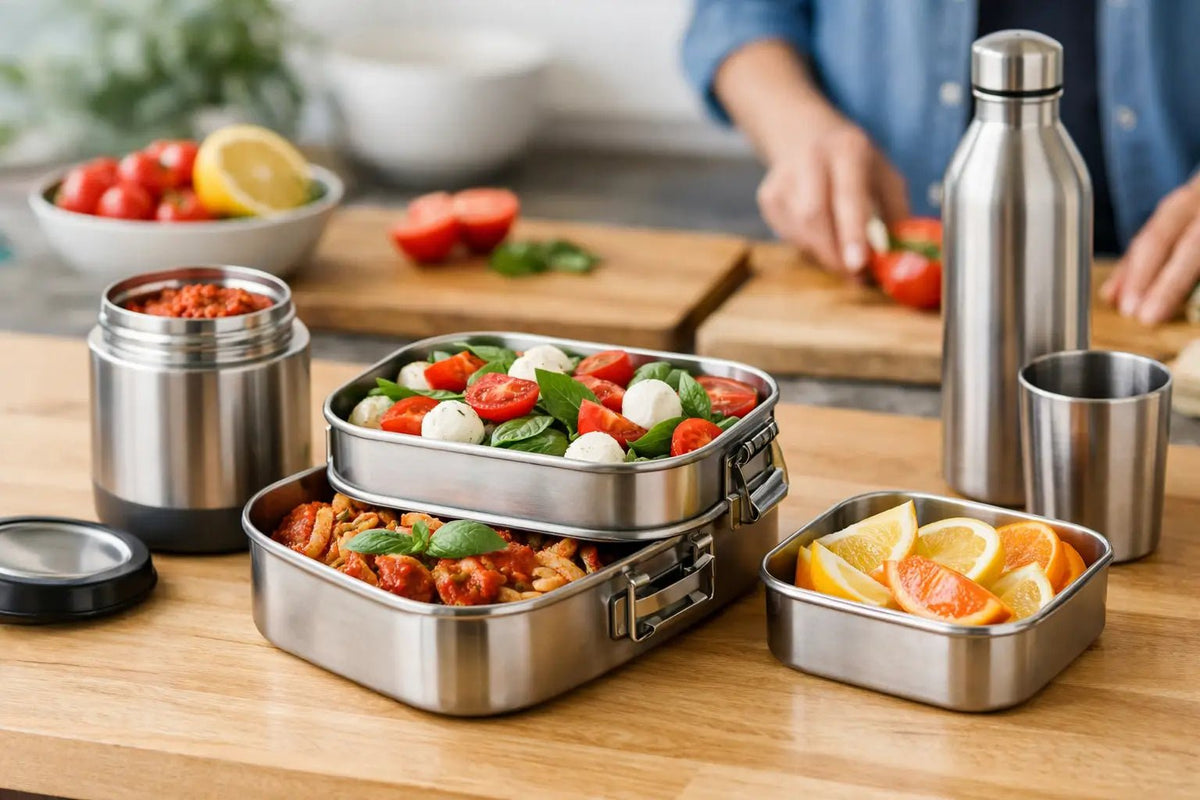
Snack boxes are useful because hunger does not follow a timetable. Keep one in the car for post-training snacks, pack one for a family walk, or use one for an afternoon at the beach. A compact stainless steel box is also handy for work desks, travelling days and meal prep, particularly when you want food protected from being crushed in a tote bag.
For adults, the same qualities matter: a secure lid, easy cleaning and a size that encourages sensible portions. Nuts, cut vegetables, cheese, boiled eggs and leftover baking all travel better when they are contained properly. It is a small shift that can make grabbing a homemade snack easier than relying on packaged options.
Snack boxes also make practical gifts for new school starters, parents returning to work or anyone setting up a more organised food routine. The most appreciated food storage is rarely flashy. It is the piece that works every day without leaking, breaking or needing replacement after one school term.
Choosing a snack box with confidence
Before buying, think about the foods you pack most and the person opening the box. Choose a compact size for simple snacks, compartments for foods that need separation, and leakproof construction for dips and moist foods. Then consider the reality of daily use: how it fits in a school bag, whether it is easy to wash and whether it can handle being dropped, bumped and carried around.
Meals In Steel focuses on premium stainless steel food storage made for these real routines, with products tested for everyday use and backed by a 3-year warranty. That matters when a container is going to school five days a week, not sitting untouched in a cupboard.
A reliable snack box does not need to transform lunch packing. It just needs to remove one more source of morning stress, keep food appealing until break time and be ready to use again tomorrow.


Leave a comment
This site is protected by hCaptcha and the hCaptcha Privacy Policy and Terms of Service apply.