
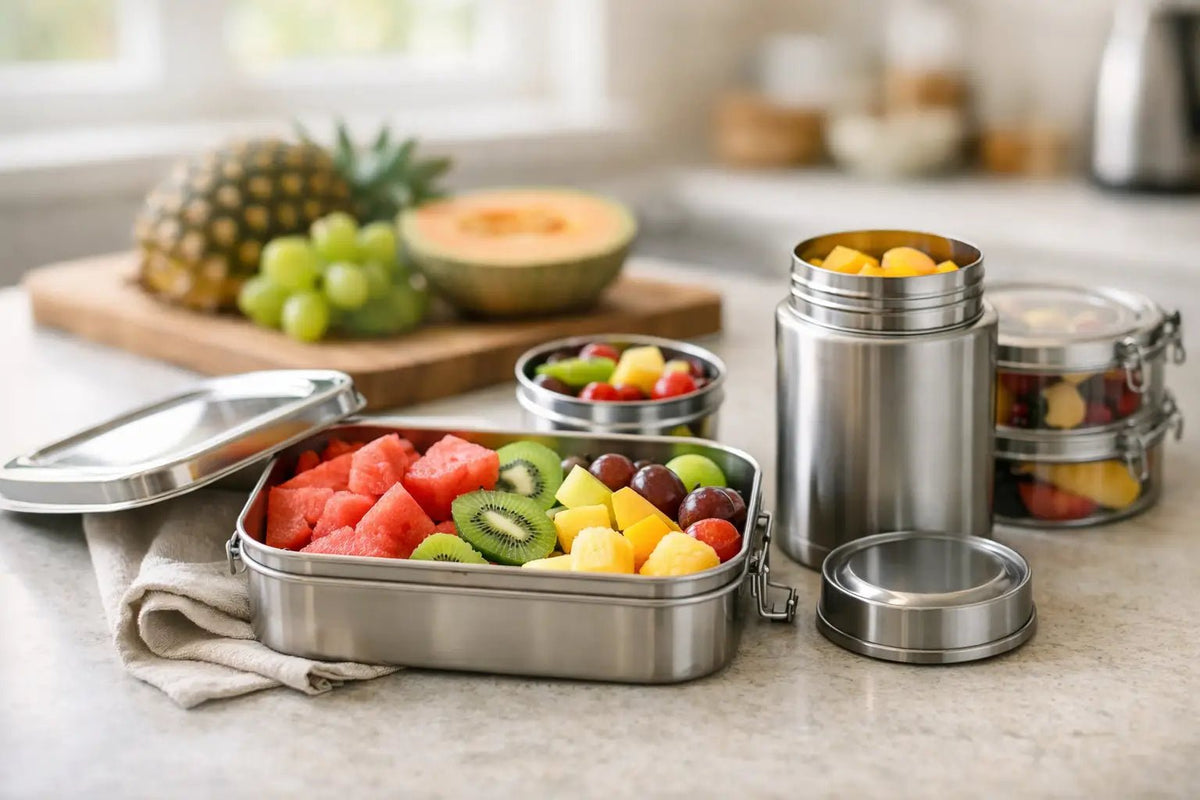
A chopped apple at 7 am can look very different by morning tea. Strawberries turn soft, melon starts to weep, and banana goes from fine to mush faster than anyone packing school lunches would like. Knowing how to store cut fruit safely makes a real difference - not just for food safety, but for keeping lunchboxes appealing enough that the fruit actually gets eaten.
For busy families, the goal is simple: fruit that stays fresh, tastes good and holds up through the day. That comes down to temperature, moisture, airflow and the right container. Get those basics right, and cut fruit becomes much easier to prep ahead without waste.
How to store cut fruit safely without guesswork
Once fruit is cut, its natural protective skin is gone. That means more exposure to air, more moisture loss and a higher chance of picking up bacteria from hands, boards or benches. It also means the fruit will spoil faster, especially in warmer weather or if it sits out too long before going into the fridge.
The safest rule is to refrigerate cut fruit promptly. If it has been sitting at room temperature for more than two hours, it is better not to save it. On hot days, that safe window is shorter. This matters most with higher-moisture fruits like melon, pineapple and berries, which break down quickly once chopped.
Clean handling matters just as much as cold storage. Wash your hands first, use a clean knife and board, and make sure the container is clean and dry before the fruit goes in. If you prep lunch ingredients in batches, it helps to cut fruit after raw meat or strongly scented foods have been cleared away and the surfaces have been washed properly.
The best container for cut fruit
A good container does more than hold food. It helps control leaks, limits too much air exposure and protects delicate fruit from being squashed in a crowded fridge or school bag.
For most cut fruit, a sealed container is the best option. It keeps the fruit from drying out and helps stop fridge odours getting in. Stainless steel containers work well here because they are durable, easy to clean and built for repeated daily use. For families trying to reduce plastic use without making food prep harder, they are a practical long-term choice.
That said, not every fruit likes exactly the same environment. Very juicy fruit such as watermelon can release a lot of liquid, so it benefits from being stored in a well-sealed container and eaten fairly quickly. Firmer fruits like apple or pear can handle a little more headspace, but still do best when sealed and chilled.
If you are packing fruit for later, choose a container size that fits the portion fairly closely. Too much empty space means more air around the fruit, which can speed up browning and drying. Too little space can crush softer pieces.
Which fruits last well once cut
Some fruits are naturally better for prep-ahead lunches than others. Apples, pears, grapes, melon, pineapple and orange segments usually hold up well when stored properly. Kiwi can also work, though it softens faster once peeled and sliced.
Berries are a bit more finicky. Strawberries can be sliced, but they tend to soften and release juice. Blueberries are easier because they can usually be packed whole after washing and drying well. Bananas are the trickiest for make-ahead storage because they brown and soften quickly once cut.
This is where a bit of planning helps. If you want fruit ready for several days, prep the sturdier options first and leave delicate fruit for the next day or pack it whole where possible. It is not about making lunch prep complicated. It is about choosing the fruit that suits the routine.
How to stop cut fruit going brown
Browning is not always a safety problem, but it does put people off eating fruit, especially kids. Apples, pears and bananas brown because they react with oxygen after cutting.
A light coating of acidic juice can help slow this down. Lemon, lime or orange juice are common options, used sparingly so the fruit does not taste overly sharp. For apples and pears, even a quick toss in a small amount of juice can buy you extra time in the fridge.
There is a trade-off, though. Some children notice the flavour change, and very wet fruit can become slippery or soggy in the container. If that is a problem, cutting fruit closer to the time you need it may work better than trying to stretch it for too long.
Keeping the fruit cold and limiting air exposure also helps. Store it sealed, and avoid opening the container repeatedly if it is meant for later use.
Fridge storage times that make sense in real life
Cut fruit is best eaten within one to three days, depending on the type. Apples, pineapple and melon often sit at the stronger end of that range if kept cold and handled well. Strawberries, kiwi and banana are better eaten sooner.
The safest approach is to use your senses, but not rely on them alone. If fruit smells off, has gone slimy, looks dull or has excessive liquid collecting at the bottom, it is time to throw it out. Even if it still looks mostly fine, fruit that has been stored too long will usually lose texture and become less appealing.
For school lunches, next-day fruit is usually the sweet spot. It is fresh enough to taste good, but still convenient if you prefer to prep the night before. If you are batch prepping for the week, it is smarter to wash and portion whole fruit where possible, then cut only what will be eaten in the next day or two.
Packing cut fruit safely for school or work
Packing fruit for out-of-home eating adds one more variable: time out of the fridge. The colder the fruit starts, the better it holds up. If you are packing lunch in the morning, take the fruit straight from the fridge and place it into a clean, sealed compartment.
For warmer days, or if lunchboxes sit in bags for hours, an insulated lunch bag with an ice brick helps keep fruit at a safer temperature. This is especially useful for melon, berries and mixed fruit packs. A leakproof container also matters when juicy fruit is involved. Nobody wants fruit salad soaking the rest of lunch.
Cut fruit should not be packed warm from the bench after prep. Chill it first, then pack it. That small step helps both safety and texture.
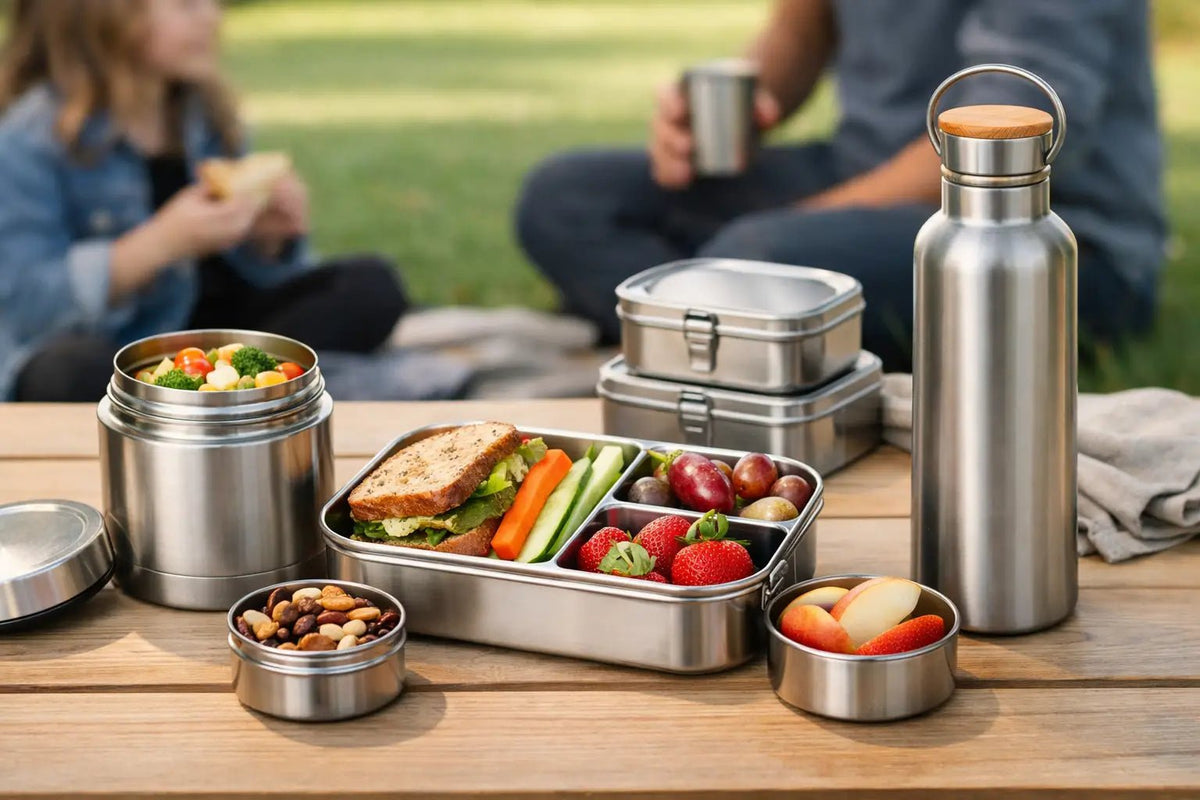
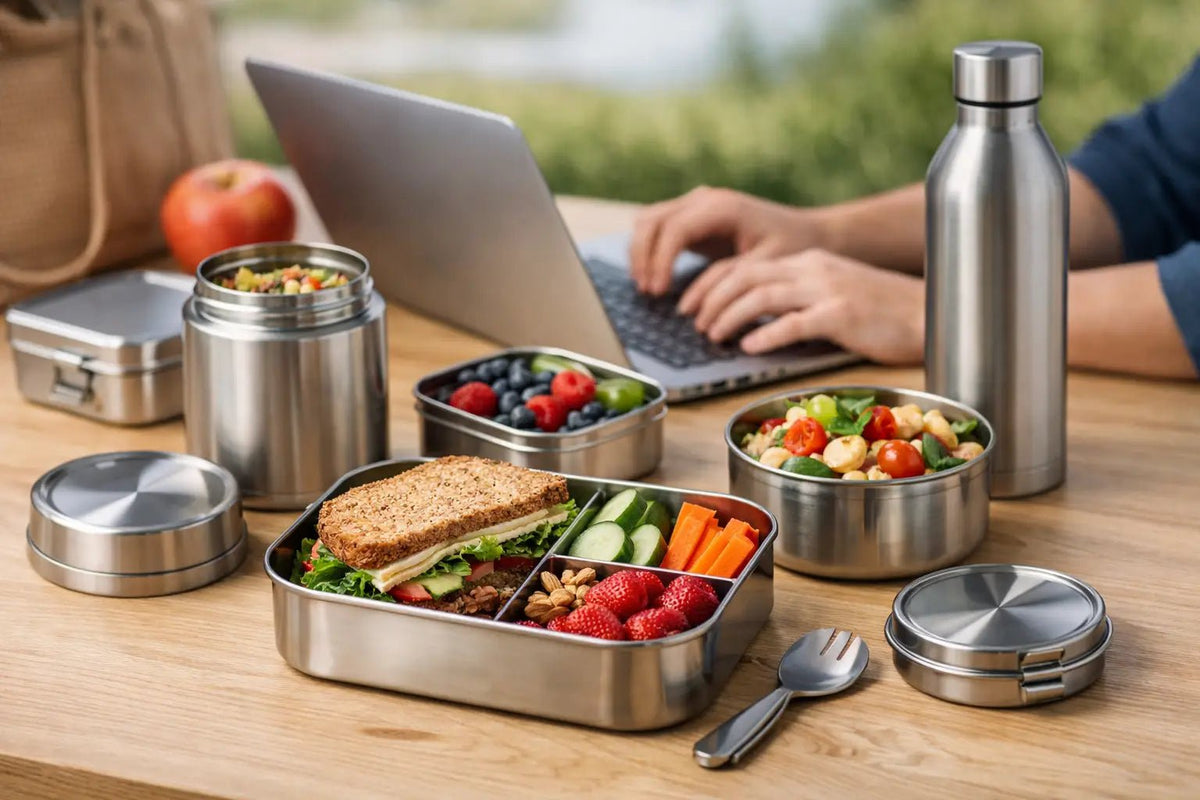
For many families, stainless steel lunch containers are a practical fit because they are durable, easy to clean and built to cope with real daily use. When a container seals well and survives being knocked around in school bags, it removes one more point of friction from the morning routine.
Common mistakes when storing cut fruit
The biggest mistake is leaving cut fruit out too long before refrigerating it. The second is storing it in a container that is not properly sealed or is still damp from washing. Extra water speeds up softening and can shorten storage time.
Another common issue is washing berries too early and then slicing them before they are fully dry. That trapped moisture often turns into mush by the next day. With berries, gentle handling goes a long way.
Overpacking is another problem. Pressing too much fruit into one container can bruise softer pieces and create excess juice. It may seem more efficient, but it often leads to waste.
A simple routine that works
If you want an easy system, wash your hands, prep fruit on a clean surface, dry it well where needed, store it cold straight away and use a sealed container that suits the portion. Keep delicate fruit for short-term use and save sturdier fruits for prep-ahead days.
That is usually enough. You do not need fancy tools or complicated storage hacks. You just need a routine that is safe, repeatable and realistic on a busy weekday.
For parents packing lunch every day, the best storage method is the one that keeps fruit fresh without adding stress. A reliable container, quick fridge storage and sensible prep timing will do more than any trend ever will. When food stays fresh, lunch gets easier - and more of it comes home eaten, not wasted.


Leave a comment
This site is protected by hCaptcha and the hCaptcha Privacy Policy and Terms of Service apply.