
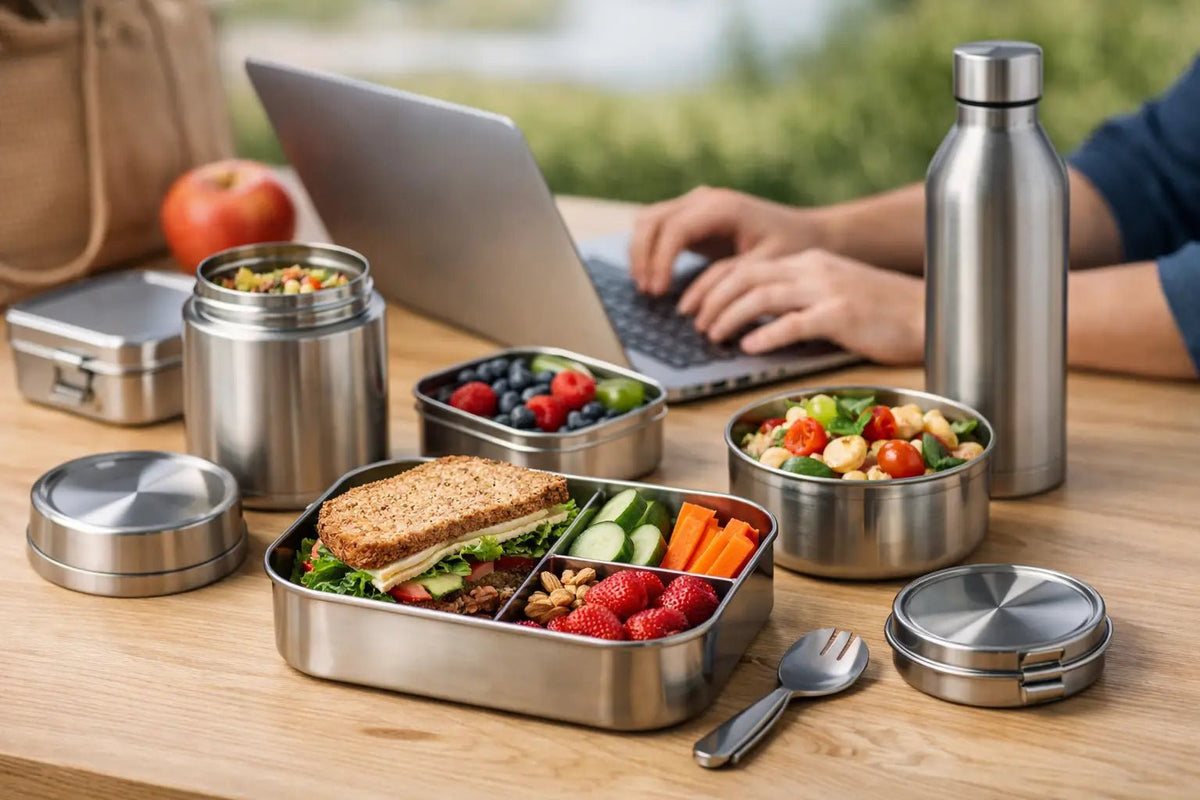
By 8.15am, the lunchboxes are packed, water bottles are filled, and someone is already asking where yesterday’s container lid went. That is exactly why a good guide to reusable food storage matters. The right setup saves time, cuts waste, and makes daily packing far less frustrating - especially when you need containers that stay leakproof, survive school bags, and keep up with real life.
Reusable food storage sounds simple until you are dealing with soggy sandwiches, split yoghurt, missing parts, or containers that stain and warp after a few months. For most families, the goal is not just to own reusable containers. It is to have a system that works every day, whether you are packing school lunches, prepping dinners, storing leftovers, or heading out for the weekend.
What a good guide to reusable food storage should help you solve
A useful reusable food storage system does three jobs well. First, it keeps food fresh and contained. Second, it makes packing and cleaning easy enough to stick with. Third, it lasts long enough to be worth buying in the first place.
That third point often gets missed. Cheap containers can look fine on the shelf, but daily use is where the difference shows up. Clips loosen, seals fail, and lids stop fitting properly. If you are replacing containers every term or every season, the lower upfront price stops looking like a bargain.
For busy households, durability is not a bonus. It is the whole point. Containers need to handle school bags, work commutes, packed fridges, and repeated washing without becoming another problem to manage.
Start with how you actually use food storage
Before choosing sizes, shapes, or materials, think about what your containers need to do. A family packing five lunches a week needs something different from someone storing Sunday meal prep. The best system usually includes a mix rather than one type for everything.
For school lunches
School food storage needs to be easy to open, secure in a bag, and practical for a child to use independently. Compartments can help with variety, but only if they are genuinely useful. A well-designed bento box can simplify packing because it keeps foods separate without relying on several extra containers.
Leakproof performance matters here more than anywhere. A lunchbox that spills into a school bag once is annoying. One that does it regularly gets abandoned fast.
For work and meal prep
Adults usually need slightly larger capacity and more flexibility. Fridge containers that stack neatly save space, while secure lunch containers make transport easier. If you prep meals in batches, consistent sizing helps the fridge stay organised and makes grab-and-go mornings quicker.
For snacks and short outings
Smaller snack boxes and compact containers are useful for fruit, crackers, sliced veg, or trail mix. They are also the pieces people reach for most often, so they need to be sturdy, simple to clean, and easy to find lids for.
Why stainless steel works so well for reusable food storage
If you want food storage that lasts, stainless steel is hard to beat. It is durable, easy to clean, and handles daily use far better than flimsy alternatives. It also avoids the cycle of replacing stained, cracked, or misshapen containers every year.
For families trying to cut back on plastic, stainless steel offers a practical long-term option without making everyday packing harder. That matters. Sustainable choices only stick when they are convenient enough for normal routines.
304-grade stainless steel is especially popular for good reason. It is food-safe, reliable, and built for repeated use. In lunchboxes, snack containers, and fridge storage, it gives you the confidence that the container can handle rough treatment without giving up after a few months.
That said, not every stainless steel container is identical. Design still matters. A strong body paired with a poor seal or fiddly closure can still disappoint. Material is important, but function decides whether a container earns a permanent spot in the cupboard.
The features that matter most
When people shop for reusable food storage, they often focus on looks first. In practice, there are a few details that make the biggest difference over time.
Leakproof seals
If you pack yoghurt, dips, pasta, juicy fruit, or salad dressings, leakproof matters. Not splash-resistant. Not mostly fine. Actually leakproof. This is particularly important for school lunches and work bags, where spills create extra mess and extra washing.
Simple closures
Children need closures they can manage on their own. Adults need closures that are quick to secure when they are already running late. If a container is awkward to shut properly, it increases the chance of leaks and frustration.
Sizes you will genuinely use
A giant set with ten unusual sizes often creates clutter rather than convenience. It is usually better to choose a few well-used formats: a lunchbox, a medium fridge container, and a smaller snack option. That covers most everyday needs without filling cupboards with pieces that never leave the shelf.
Easy cleaning
Smooth interiors, minimal crevices, and straightforward seals make a big difference. If cleaning feels annoying, containers pile up in the sink and routines break down.
Building a reusable food storage system that lasts
The smartest approach is to build around your most repeated tasks. Start with the items you use almost every day, then add specialist pieces only when there is a clear need.
For many households, that means beginning with a reliable lunchbox for each child, one or two snack containers, and a small set of stackable fridge containers. Once those basics are working well, it becomes easier to spot what is missing. Maybe you need a larger container for leftovers, or a leakproof option for wetter meals.
It also helps to keep your system consistent. Containers that nest well, stack cleanly, and share a similar purpose are easier to store and easier to use. A random collection from different sets often creates more lid-hunting and less efficiency.
Common mistakes when choosing reusable food storage
A lot of frustration comes from buying for the best-case scenario instead of daily reality. That might mean choosing a complicated lunchbox because it looks tidy in photos, even though your child struggles to open it. Or buying too many specialty containers before you know what your routine actually needs.
Another common mistake is assuming all reusable options are equally durable. They are not. If your food storage gets used every day, packed tightly, washed constantly, and carried around in bags, build quality matters from day one.
There is also a trade-off between compartments and flexibility. Compartment lunchboxes are brilliant for some meals, especially school lunches with a few separate foods. But they can be less adaptable for bulk leftovers or larger serves. That is why a mix of compartment and open-style containers often works best.
How to make reusable food storage easier to stick with
Good intentions are not usually the problem. Friction is. If the containers are hard to clean, fiddly to close, or annoying to stack, people stop using them.
A simple routine helps. Unpack lunchboxes as soon as the kids get home. Keep lids with containers rather than in a separate drawer. Store your most-used pieces at eye level. If you are meal prepping, portion food straight into containers once it is cooled, so weekday lunches are already halfway done.
This is also where buying fewer, better pieces pays off. A smaller set of dependable containers is easier to manage than a crowded cupboard full of mismatched options. Quality reduces decision fatigue as much as it reduces waste.
For families who are making the switch from short-lived containers, it is worth choosing products that are built for repeated daily use and backed by real-world performance. That is one reason many Kiwi households look for stainless steel options that are designed for school bags, lunch routines, and long-term reliability, rather than just shelf appeal.
A guide to reusable food storage for different households
No single setup suits everyone. Families with young children may prioritise easy-open lunchboxes and snack containers with dependable seals. Households with teens might need larger capacities and more flexible storage for bigger appetites. Professionals may care most about neat meal prep and secure transport, while outdoor users often need containers that can handle knocks and frequent travel.
The common thread is reliability. Whether you are packing lunch at the kitchen bench or loading food into a bag before work, the best reusable food storage makes the routine feel easier, not more complicated.
If you are choosing carefully, look for products that are durable, practical, and built around everyday use. That usually means strong materials, leakproof design where it counts, and shapes that fit naturally into your fridge, bag, and routine.
The best food storage is not the set with the most pieces. It is the one you reach for every morning without thinking twice.


Leave a comment
This site is protected by hCaptcha and the hCaptcha Privacy Policy and Terms of Service apply.