
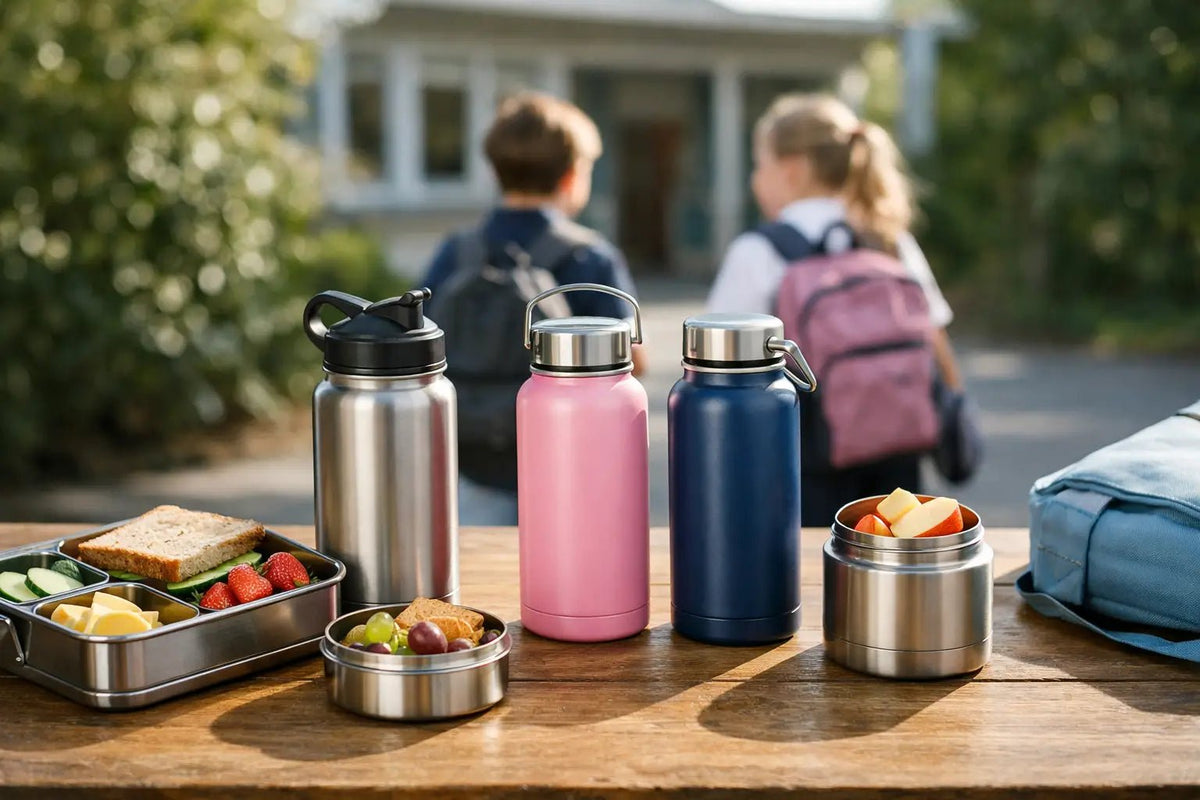
A school bag is a tough testing ground for any lunch setup. It gets tipped, squeezed, dropped and left in the sun between the car and classroom. Learning how to build a waste free lunch is not about creating a picture-perfect meal with zero trace. It is about choosing a repeatable system that cuts daily rubbish, keeps food fresh and does not make the morning rush harder.
For most Kiwi families, the biggest win comes from replacing single-use packaging with a few reliable, reusable essentials. Start small, pack food your child will actually eat, and choose containers that can handle everyday life.
Start with the rubbish you create most often
Look in the lunchbox at the end of a normal school day. The most common waste is usually cling wrap, snack packets, yoghurt pouches, juice boxes and paper bags. You do not need to change every item at once. Pick the one or two things that appear every day and find a reusable way to pack them.
For example, put crackers, fruit, cheese, popcorn or baking into a reusable snack container instead of buying individually wrapped portions. Pack a homemade muffin or slice loose in a compartment rather than wrapping it. Send water in a refillable drink bottle, then keep juice or flavoured drinks for occasional treats rather than a daily default.
This approach is more realistic than trying to eliminate all packaging overnight. A waste free lunch should make life easier over time, not become another job on an already busy morning.
How to build a waste free lunch around reliable containers
A good container is the foundation of the whole routine. If lids pop open, seals leak or clips break after a term, it is easy to fall back on disposable packaging. Durable containers make reusable packing the convenient choice.
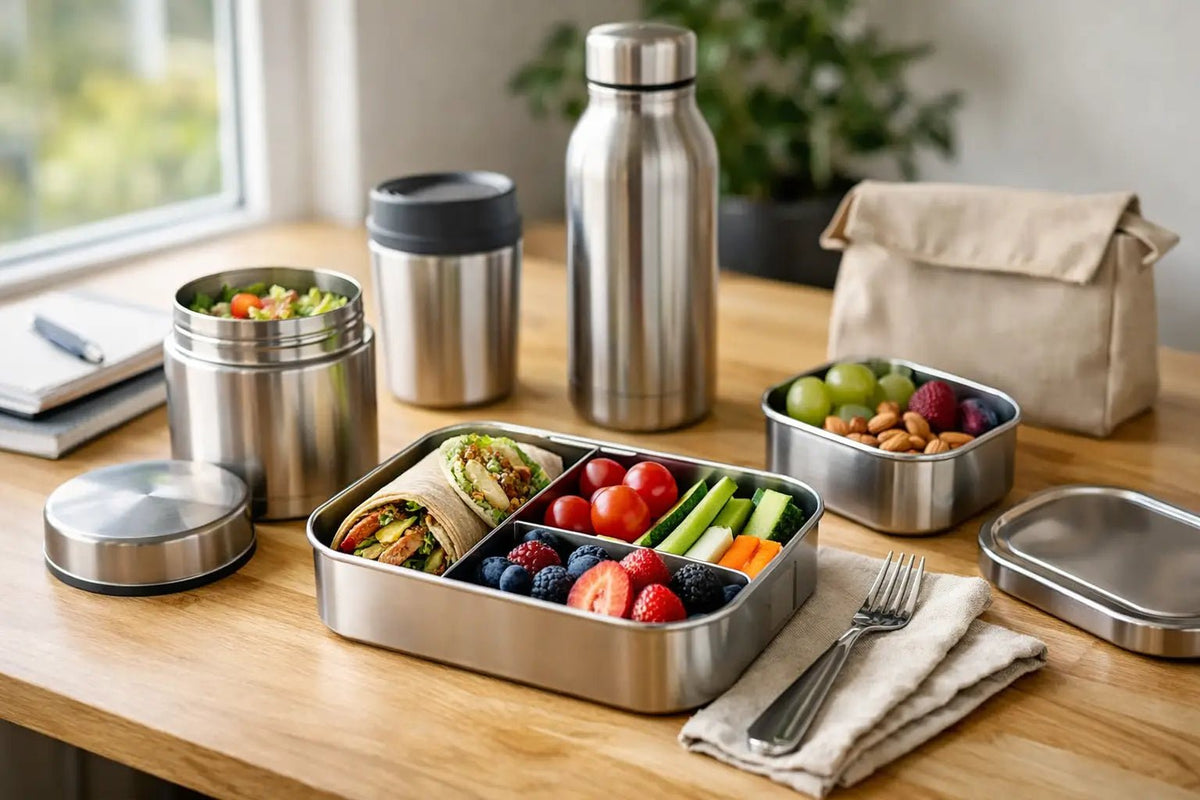
For dry foods, a stainless steel bento lunchbox with separate sections helps keep lunch, snacks and fruit organised without extra wrapping. It also makes portions visible at a glance, which is useful when packing for hungry kids with very different appetites.
For wetter foods, such as yoghurt, dip, berries or a small pasta salad, use a separate container designed with a secure lid. “Leakproof” is worth checking carefully: it should refer to the way the specific container, lid and seal work together, rather than being assumed from the material alone. Test new containers with water at home before trusting them in a school bag.
304-grade stainless steel is a practical choice for everyday food storage. It is hard-wearing, easy to clean and avoids relying on flimsy single-use packaging. Meals In Steel focuses on stainless steel lunch solutions built for the knocks, tumbles and repeated washing of family life, including options backed by a three-year warranty.
Pack food in its natural form where possible
The lowest-waste foods are often the simplest ones. An apple, banana, mandarin or pear needs no wrapper. Carrot sticks, cucumber rounds, cherry tomatoes and capsicum slices can go straight into a compartment. Leftover roast chicken, rice, pasta or frittata can become tomorrow’s lunch rather than being forgotten at the back of the fridge.
That does not mean every lunch needs to be homemade from scratch. Busy weeks call for shortcuts. Buy larger packs where it makes sense, then portion food into reusable containers at home. A tub of yoghurt split across several small containers may create less rubbish than single serves, but only if your family will use it before it spoils.
Aim for food that is easy for your child to open, hold and finish. A beautiful lunch that comes home untouched is still wasted food. Younger children may do better with peeled mandarins, pre-cut sandwiches and familiar foods, while older children may enjoy building their own wraps or grazing plates.
Choose portions before buying more containers
A common mistake is buying a container for every possible lunch idea. Instead, notice what you pack most: a sandwich or wrap, fruit, a crunchy snack and perhaps yoghurt or dip. Build around those habits.
One main lunchbox, one small snack box and a refillable bottle can cover a surprising number of days. Add a leakproof container only if wet foods are genuinely part of your regular rotation. Fewer pieces mean less washing, less cupboard clutter and fewer missing lids.
Make the morning routine easy to repeat
The best waste free lunch routine starts before the morning alarm. Wash and dry containers as soon as they come home, then store each lid with its matching base. If children are old enough, ask them to unpack their own lunchbox and place it beside the sink. It builds independence and makes missing pieces easier to spot.
A short weekly prep session can also help. Wash fruit, cut vegetables, bake a batch of savoury muffins or make a container of popcorn. Keep these foods visible in the fridge or pantry so packing lunch becomes assembly, not a last-minute search.
Use a simple formula: one filling main item, one fruit or vegetable, one snack and a drink. Rotate the ingredients rather than reinventing the format every day. The predictability is useful for children and makes your grocery shop more focused.
If food needs to stay cool, include an ice pack and choose items that are suitable for the length of the day. Cold storage matters more than the container itself for foods such as dairy, cooked meat and leftovers. On very hot days, consider whether a simpler shelf-stable lunch is the safer option.
Prevent food waste as well as packaging waste
A lunch with no disposable wrapping is only part of the goal. Food that comes home uneaten is waste too, so use the lunchbox as feedback. Ask your child what they liked, what was too difficult to eat and whether there was simply too much food.
Start with smaller portions for new foods. You can always add more of a proven favourite, but repeatedly packing large serves that are not eaten is frustrating and expensive. Cut sandwiches into manageable pieces and keep messy foods contained, particularly for younger children who may have limited time to eat.
It also helps to separate foods that should stay crisp from foods with moisture. Put crackers away from juicy fruit, and keep dip in its own sealed container. Small design choices like this protect texture, which makes food more appealing by lunchtime.
Know where “waste free” has limits
No household can avoid every piece of packaging. Some foods arrive wrapped, school rules may limit certain items, and a hectic week may call for a convenient option. That is normal. The aim is to reduce the disposable items you use repeatedly, not to chase perfection.
Where packaging cannot be avoided, reuse it only when it is clean, safe and fit for purpose, then recycle or dispose of it according to your local council guidelines. Compost fruit scraps and suitable food waste where your home or school system allows it. Most importantly, focus on buying fewer products that need constant replacement.
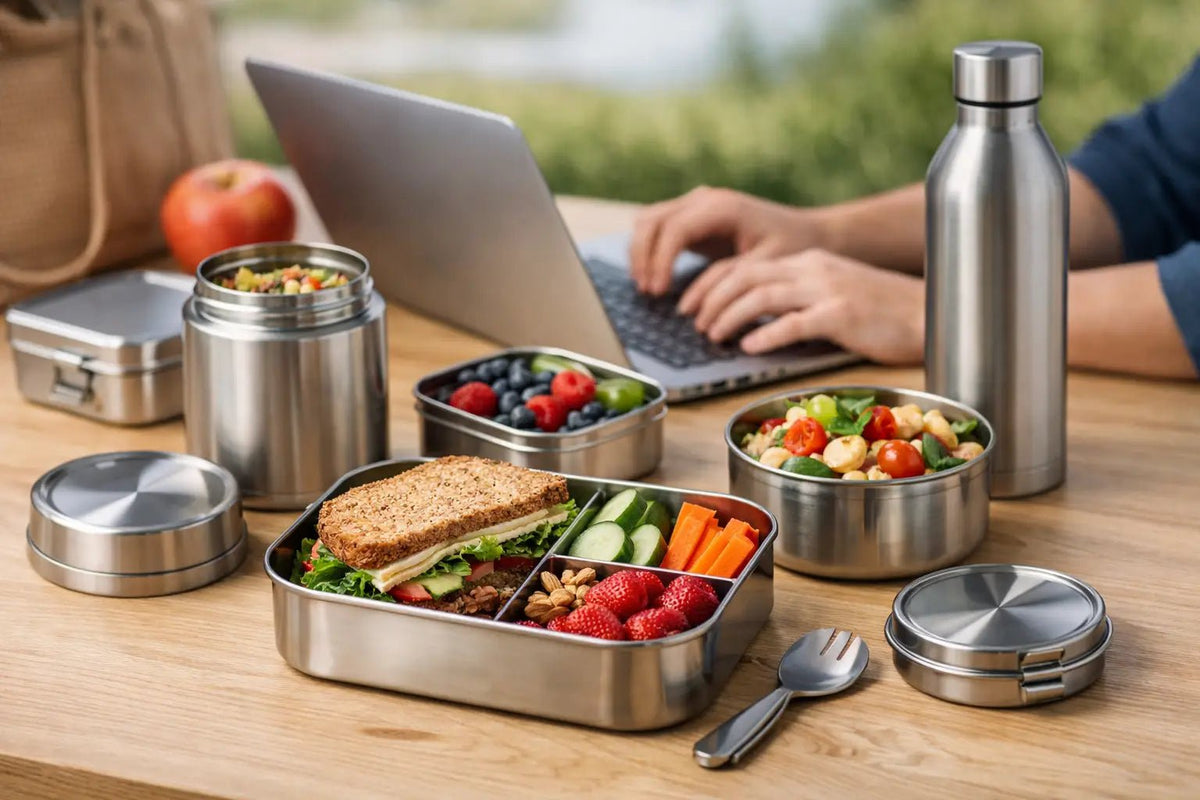
A well-made stainless steel lunchbox can serve school lunches, office meals, road trips, sport days and weekend outings. That versatility matters: the more often a reusable item earns its place in your routine, the more useful it becomes.
A simple first week to get started
Try a gradual change rather than a full lunchbox overhaul. In week one, swap the drink box for a refillable bottle. In week two, replace wrapped snacks with a reusable snack container. In week three, pack one leftover-based lunch. By week four, you will know which containers, foods and portion sizes work in your household.
Keep the system flexible. A bento-style lunch may suit school days, while a larger container works better for an adult’s salad or meal-prep lunch. What matters is having dependable gear that keeps food contained and makes reuse the easiest option.
A waste free lunch is built in the small moments: refilling the bottle, saving last night’s leftovers, washing the lunchbox and packing food that gets eaten. Once those habits are in place, less rubbish is simply the result.


Leave a comment
This site is protected by hCaptcha and the hCaptcha Privacy Policy and Terms of Service apply.