
A half-eaten packet of crackers crushed at the bottom of a school bag, a leaky yoghurt pouch, another roll of wrap disappearing by Friday - snack storage can create more daily waste than most families realise. Learning how to store snacks sustainably is less about creating a picture-perfect pantry and more about choosing durable containers and routines that work when mornings are busy.
The most sustainable option is usually the one you will use again tomorrow. For Kiwi families packing school lunches, that means containers that are easy for children to open, keep food fresh, survive the school-bag test and do not need replacing after a term.
Start with durable, reusable snack containers
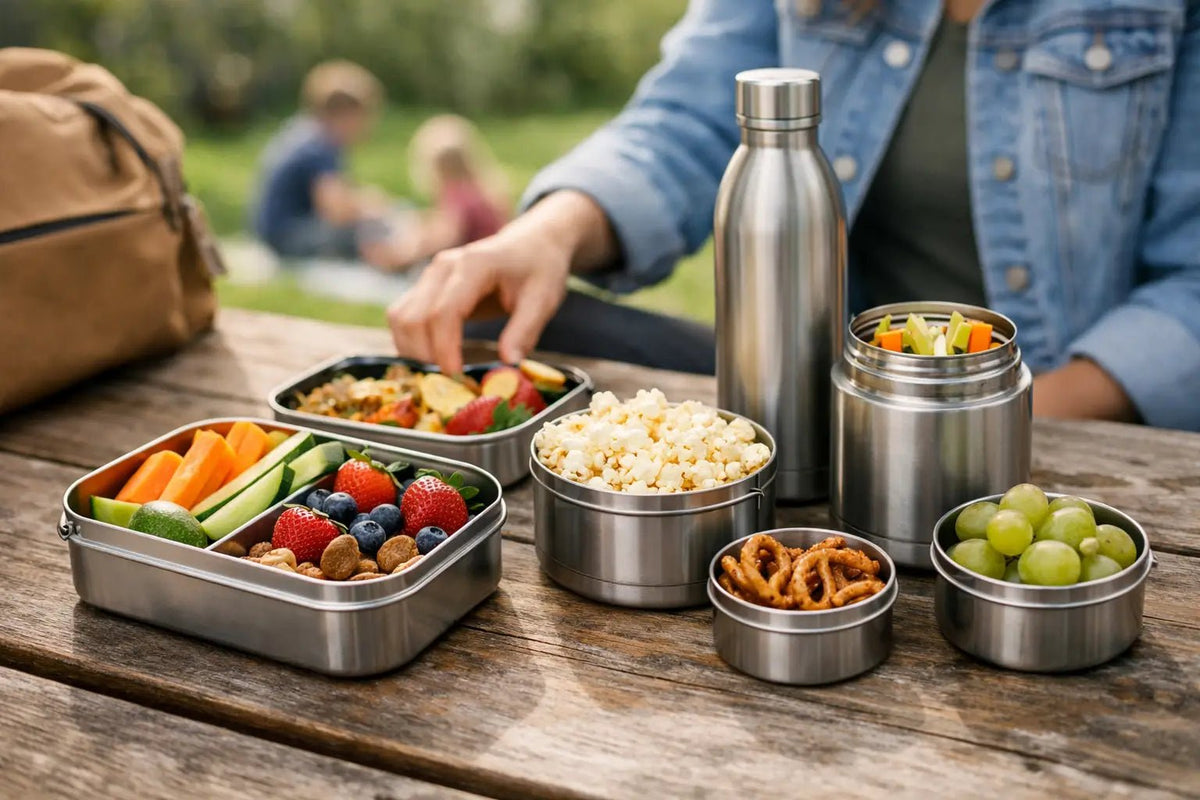
Single-serve packaging is convenient once. A well-made snack box is convenient hundreds of times. Reusable stainless steel containers are a practical choice for dry snacks, cut fruit, cheese, crackers, baking and leftovers because they are tough, easy to clean and built for regular use.
Look for food-grade 304 stainless steel, which is designed for everyday food storage and does not retain food odours or flavours in the way some materials can. A sturdy container also gives snacks better protection in a packed bag, on a sports sideline or in the back of the car on a weekend away.
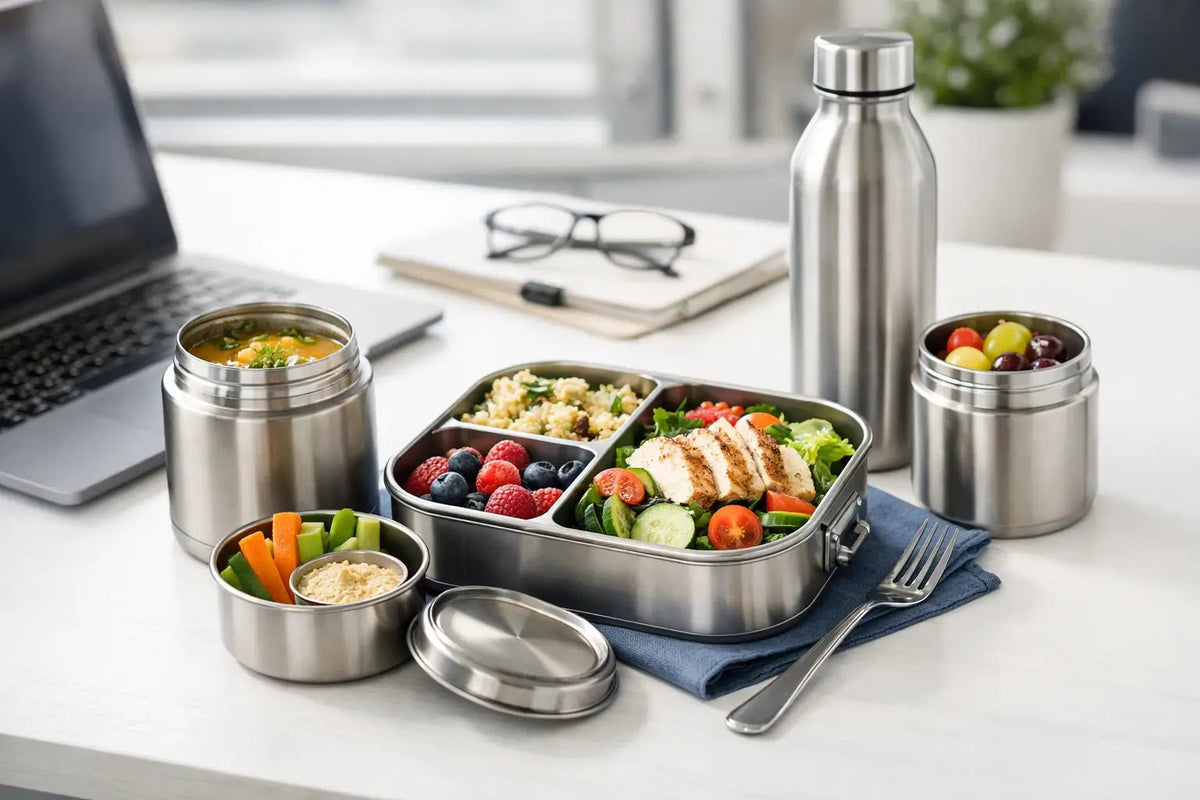
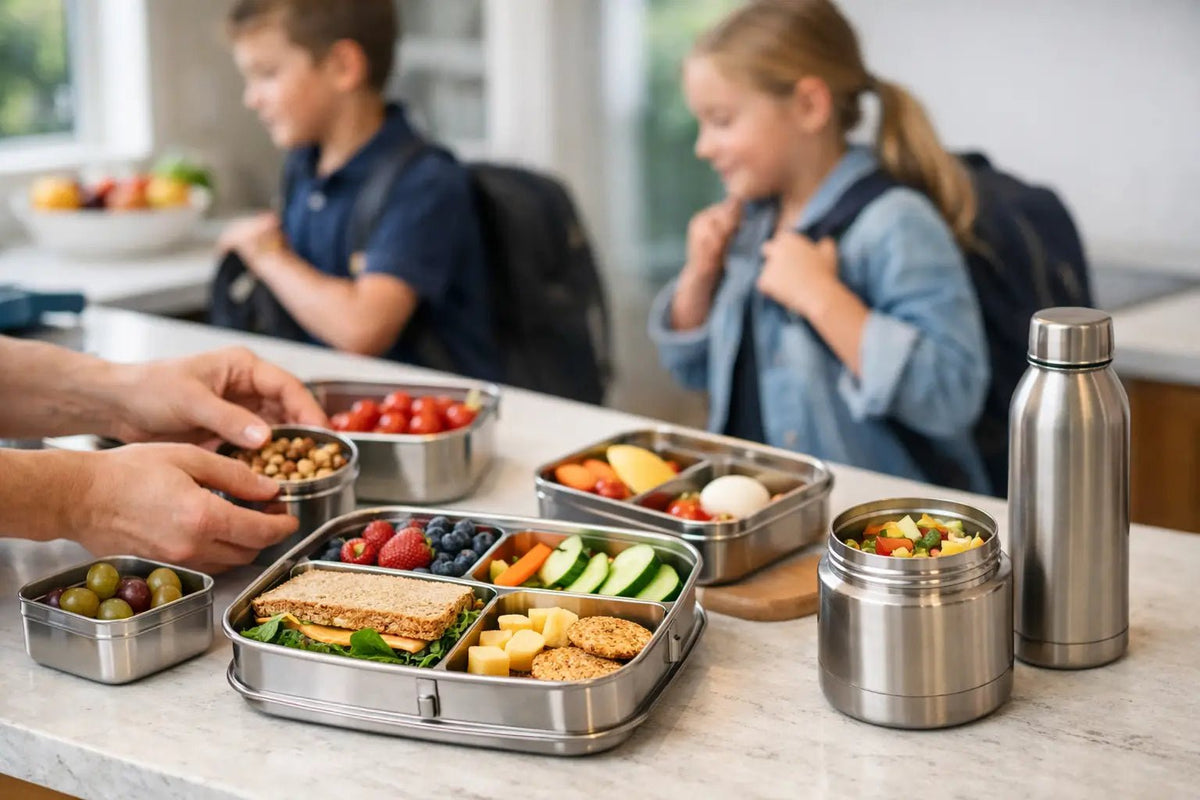
The best size depends on what you pack most often. Small snack containers suit a handful of berries, popcorn or crackers. Medium containers are useful for baking, sliced veges and cheese, while divided bento-style containers help keep several snack components separate without relying on extra wrapping.
Leakproof performance matters when snacks include yoghurt, dips or juicy fruit. Check that the container is designed for wet foods, rather than assuming every lid will hold liquids. Seals and lids are important working parts, so follow the care instructions and make sure they are properly fitted before packing.
Meals In Steel focuses on durable stainless steel food storage designed for real daily routines, including school bags where a container needs to do more than look good on the kitchen bench.
How to store snacks sustainably without wasting food
Sustainable snack storage starts before the food goes into a container. Buy the amount your household is likely to finish, then portion it in a way that makes it easy to grab and eat. Oversized packs can be better value, but only when foods are stored well enough to stay fresh.
For dry foods such as nuts, pretzels, crackers and cereal, keep the bulk supply in an airtight pantry container, then refill a smaller snack box as needed. This reduces the number of individual packets coming into the house while helping you control portions for lunchboxes.
Fresh foods need a little more attention. Wash berries only when you are ready to use them, as extra moisture can shorten their life. Store cut apple, pear or celery in a sealed container and pack it with a small ice pack if it will sit in a lunch bag for several hours. For apple slices, a light squeeze of lemon can slow browning, although not every child enjoys the flavour.
Cheese, hummus and yoghurt are best packed in portions that will be eaten in one sitting. This is not about making every snack tiny. It is about reducing the common leftovers that return home warm, squashed and destined for the rubbish. If your child regularly brings food home, start with less and offer a larger afternoon snack instead.
Build a snack routine that suits your household
The easiest low-waste system is one that removes decisions from the busiest part of the morning. Choose a few reliable snack combinations and keep the ingredients visible and ready to portion.
A simple rotation might include fruit with cheese, crackers with a dip, homemade muffins with sliced veges, or popcorn with dried fruit. Variety is helpful, but you do not need a new idea every day. Familiar options make shopping simpler and help children know what to expect in their lunchbox.
It also helps to give every container a job. Keep smaller boxes for dry snacks, a leakproof option for dips and yoghurt, and a larger divided container for days when a child needs more food. When the right size is easy to reach, there is less temptation to overpack or use disposable wrapping as a quick fix.
For families with more than one child, prepare a few dry snacks after groceries are unpacked. Portion crackers, trail mix or homemade baking into containers for the next two or three days, then add fresh items each morning. Do not prep too far ahead if texture is likely to suffer. Soggy crackers and tired berries are not a win, even if the system looks efficient.
Keep snacks fresh in the pantry, fridge and on the go
Where you store food matters as much as what you store it in. Dry snacks last longest in a cool, dry cupboard away from direct sun and the heat of the oven. Keep lids closed firmly after each use, and avoid topping up a container with new food before the older food has been used. That small habit prevents forgotten crumbs and stale leftovers gathering at the bottom.
In the fridge, use clear routines rather than relying on memory. Put ready-to-pack snacks at eye level, with foods that need using first at the front. A container of washed whole fruit, cheese portions or leftover savoury muffins can make tomorrow's lunch much easier to pack.
For travel, school and work, pair chilled snacks with an insulated lunch bag and ice pack. Stainless steel is durable, but it does not keep cold foods chilled on its own for a whole day. This is especially worth remembering in a hot Kiwi summer, after-school activities or long drives.
Choose long-term use over a perfect zero-waste setup
There is no need to throw out every item in your kitchen to become more sustainable. The most sensible approach is to use what is still safe and functional, then replace frequently used or failing items with better long-term options when the time comes.
A quality stainless steel snack container can cost more upfront than a short-lived alternative, but the value is in repeat use. Strong hinges, secure closures and a design children can manage independently reduce the chance that it sits unused in a drawer. A warranty also matters, because it shows the product is intended to last beyond a single school year.
Be realistic about the details, too. Not every food-storage product is entirely plastic-free. Some lids, seals, clips or accessories use other materials to achieve a secure fit or leakproof result. What matters is choosing well-made products, caring for them properly and avoiding the replacement cycle wherever possible.
Make cleanup part of the system
A sustainable storage routine only lasts if cleanup is straightforward. Empty containers as soon as they come home, rinse away sticky food and leave lids open to dry fully. This helps prevent lingering smells and means the next morning starts with clean containers ready to pack.
Get children involved where they can. Younger children can place containers by the sink, while older children can wash, dry and match lids to bases. It builds independence and makes reusable snack storage feel like a normal part of family life, not another task for one person.
The goal is not to pack flawless lunches or eliminate every piece of packaging overnight. Choose a few dependable containers, pack food your family genuinely eats and keep the routine simple enough to repeat. That is how sustainable snack storage becomes a habit that saves waste, money and morning stress.


Leave a comment
This site is protected by hCaptcha and the hCaptcha Privacy Policy and Terms of Service apply.