
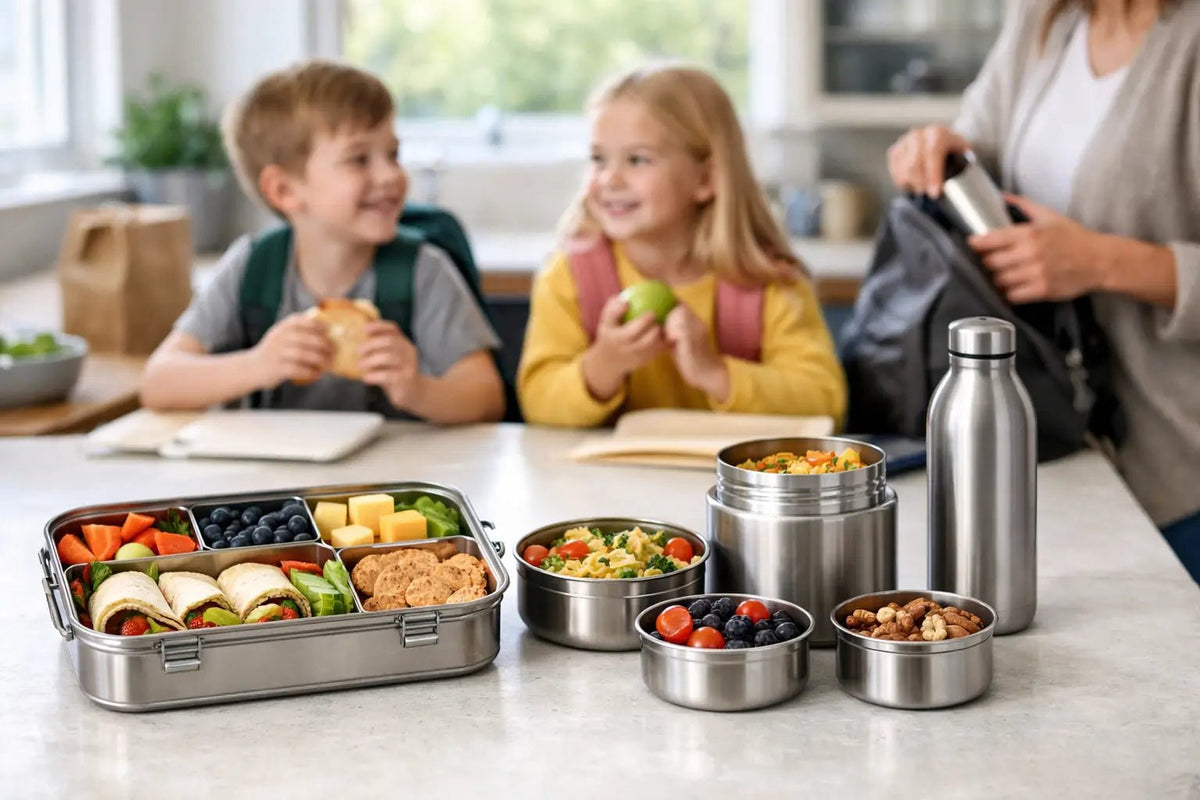
The school bell may be hours away, but the real test for a lunch box starts at 7.30am: packed quickly, squeezed into a bag, tipped sideways on the bus, then opened by small hands at morning tea. A kids lunch box NZ parents can rely on needs to do more than look tidy on the kitchen bench. It needs to keep food organised, contain wet snacks properly and stand up to the everyday knocks that come with school life.
For many Kiwi families, the best choice is a well-made stainless steel lunch box with useful compartments, secure closures and a size that suits the child who will actually carry it. It is a practical switch that can reduce reliance on disposable packaging and short-lived food containers, without making lunch packing more complicated.
What to look for in a kids lunch box NZ families will use
The right lunch box is not necessarily the biggest one or the one with the most compartments. It is the one that matches your child's appetite, school day and favourite foods. A five-year-old who prefers small snack-style lunches needs something different from a hungry intermediate student packing sandwiches, fruit and after-school sport fuel.
Start with capacity. A compact box works well for younger children or a light lunch, especially when a separate snack box is packed for morning tea. A larger bento-style lunch box gives older children room for more substantial food and makes it easier to pack variety without reaching for extra containers.
Compartment layout matters just as much. Separate sections help keep crackers crisp, fruit contained and savoury food away from sweeter treats. They also make it easier for children to see what is available and eat independently. There is no need to overfill every section. A little space makes the box easier to close and gives children a clear, manageable lunch.
Stainless steel is worth considering for its strength and long-term usefulness. Premium 304-grade stainless steel is designed for regular food storage, does not absorb food odours easily and handles the bumps of a school bag far better than containers that crack or warp over time. It is a material that earns its place in a busy kitchen because it can be used again and again.
Leakproof means more than a tight lid
A lunch box can feel secure when it is closed on the bench but still leak in a bag once yoghurt, hummus or juicy fruit is involved. For wet foods, look for a design with a properly fitted lid and food-safe silicone seal. The seal should sit evenly, without twisting or gaps, and be simple to remove and clean when needed.
There is a trade-off here. Not every compartmentalised lunch box is intended to hold free-flowing liquids in every section, and not every lid design suits soups or very runny dressings. Read the product guidance, use the box as intended and save highly liquid foods for a container specifically designed for that job. This small step prevents the classic end-of-day surprise at the bottom of the school bag.
Before the first school day, do a quick home test. Pack a small amount of water in the compartments intended for wet food, close the box, then turn it on its side for a few minutes. It is an easy way to understand how the closure works and to show your child how firmly the lid needs to be pressed into place.
Choose child-friendly closures
Children need to be able to open their lunch without asking a teacher for help. At the same time, the lid must stay put during the walk to school, time in the cubby and a busy afternoon bag.
Look for simple, firm closures that suit your child's hand strength. Practise opening and closing the box together at home, particularly with younger children. If the box has a removable seal, show them that it stays in place. Independence at lunchtime starts with a little practice at the kitchen table.
Pack food that stays fresh and easy to eat
A great lunch box helps, but food preparation makes the biggest difference to what comes home eaten. Pack foods your child can manage without too much peeling, cutting or mess. Small portions are often more appealing than one large serving, particularly for children with short eating windows.
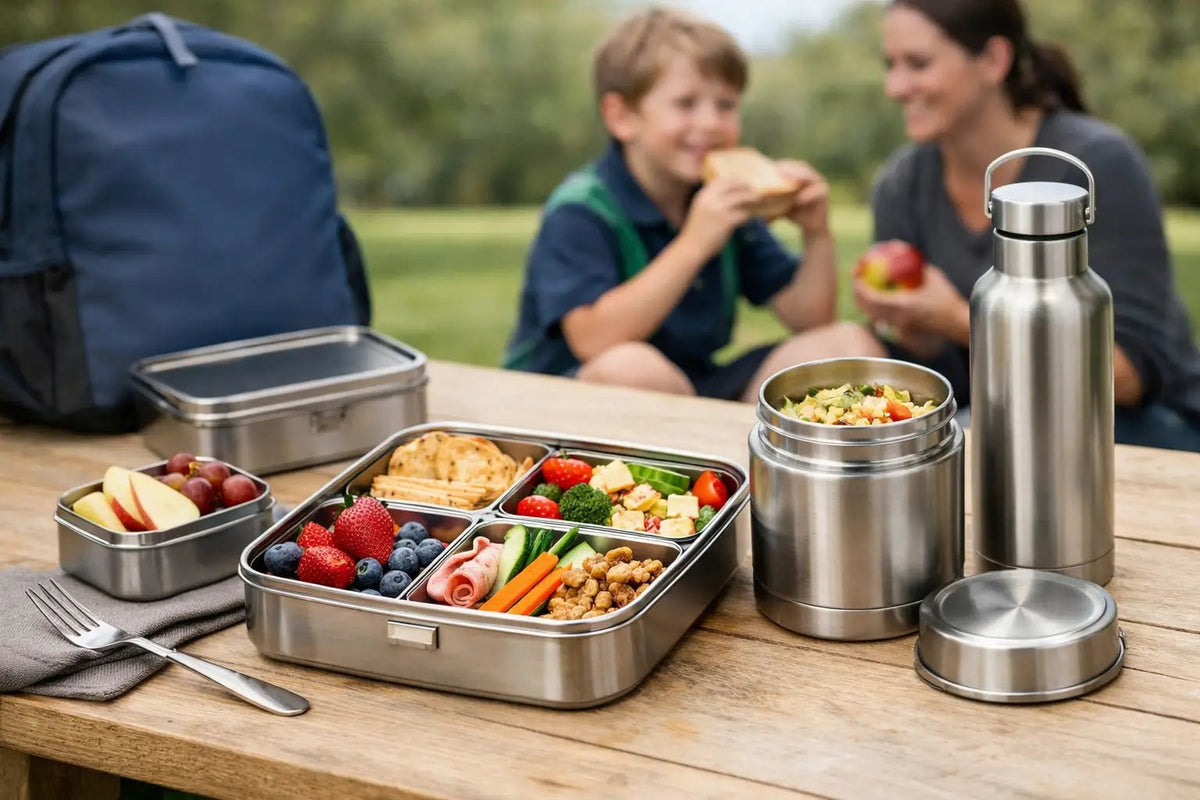
Use compartments to create a balanced mix of familiar favourites and variety. Think cheese cubes, sliced capsicum, berries, wraps, leftover frittata, rice balls, boiled eggs, crackers or a small homemade muffin. For foods that can release moisture, such as cut melon or cucumber, dry them well before packing. This helps other items stay fresh and reduces moisture around the lid seal.
Temperature matters too. Stainless steel lunch boxes are durable food containers, but they are not a substitute for an insulated food jar or a chilly bin. If lunch includes dairy, meat, egg or other temperature-sensitive food, pack it with an ice pack where appropriate and follow your school's food safety guidance. On hot summer days, keeping the school bag out of direct sun also makes a real difference.
Make the morning routine easier
The best lunch system is one you can repeat when everyone is running late. Keep a small selection of lunch-friendly foods together in the fridge or pantry, then use the same few packing patterns throughout the week. This reduces decision fatigue and makes it easier to notice what your child actually enjoys eating.
Stainless steel containers suit this routine well because they can move from food prep to fridge to school bag with minimal fuss. Pack dry items the night before, prepare fruit and vegetables ahead where possible, then add chilled food in the morning. A separate snack box can be useful when schools have distinct morning tea and lunch breaks, or when an after-school activity calls for extra fuel.
It also helps to keep lunch components simple. A thoughtfully packed box does not need to resemble a café platter. Children value familiar food, enough variety and the confidence that nothing has leaked onto their books.
Care that keeps a stainless steel lunch box working well
A quality lunch box should be easy to look after, not another high-maintenance item on the bench. Empty it after school, rinse away any leftover food and wash it according to the care instructions. Give corners, lid edges and silicone seals extra attention, as these are the places where crumbs and food residue can linger.
Let all pieces dry fully before reassembling and storing the box. If a seal is removable, take it out periodically for a more thorough clean, then ensure it is fitted back evenly. Avoid forcing a lid closed over overfilled compartments, as this can affect the seal and make the box harder for children to open.
Long-term value is one of the strongest reasons to choose stainless steel. A lunch box that keeps performing through daily school use can mean fewer replacements, less lunchtime frustration and less waste over time. Meals In Steel focuses on 304-grade stainless steel options built for real family routines, with a three-year warranty for added confidence.
The best fit is the one that suits your child
There is no single perfect kids lunch box for every household. Younger children may need a smaller, easy-open design; older children may need greater capacity; children who love yoghurt or dips need a lunch box with suitable leakproof sections. Start with how your child eats, what their school day looks like and how much food you realistically pack.
Choose a durable lunch box that makes those rushed mornings calmer, gives children confidence at lunchtime and comes home ready to do it all again tomorrow.


Leave a comment
This site is protected by hCaptcha and the hCaptcha Privacy Policy and Terms of Service apply.