
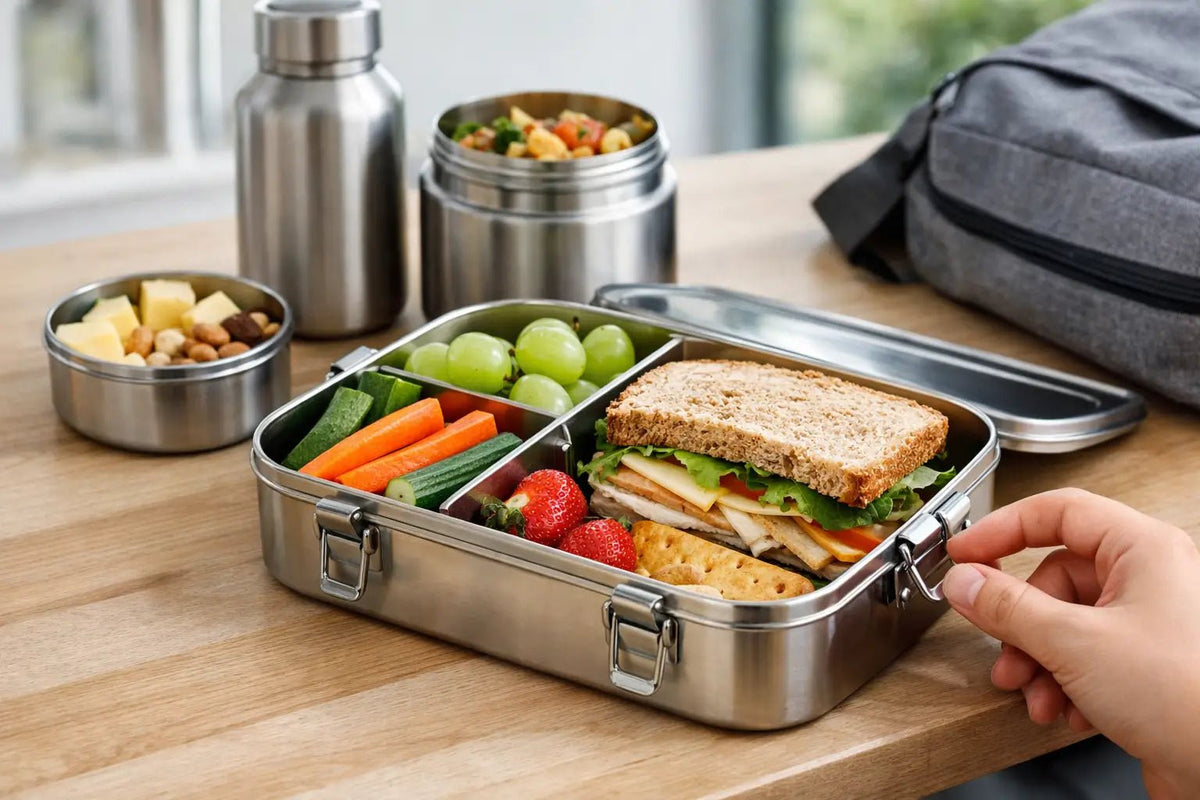
The morning rush has a way of exposing every weak point in a lunch setup. A snack packed in the wrong compartment, a lid that needs adult hands to open, or clips that pop loose in a school bag can turn a carefully packed lunch into a frustrating one. A lunchbox with easy open clips gives children the independence to eat what you have packed, while giving parents more confidence that it will arrive in one piece.
For busy Kiwi families, easy-open does not mean flimsy. The best clips are simple for small hands to release, but secure enough to stay closed between the kitchen bench, the school bag and lunchtime. That balance matters more than clever-looking features or extra compartments you may never use.
Why easy-open clips matter at school
Children do not eat lunch under perfect conditions. They may be sitting outside, juggling a drink bottle, chatting with friends or trying to open their lunch quickly before playtime ends. A container that is technically secure but too stiff for a child to manage can come home untouched.
Easy-open clips support independence. When a child can open and close their lunchbox without asking for help, they are more likely to eat the food you packed and keep the lid with the container afterwards. It also makes the transition into school or kindy easier, particularly for children who are still building hand strength and coordination.
There is a practical benefit for teachers, too. Fewer difficult lids and stuck clips mean less time spent opening containers around the classroom. For parents, that can be one small but meaningful way to make school lunches less complicated.
The catch is that a clip should not open too easily. A weak closure can let a lid shift inside a packed bag, especially when books, shoes and sports gear are pressing against it. Look for a lunchbox designed to close firmly, with clips that release through a deliberate action rather than a light bump.
What makes a lunchbox with easy open clips work?
A well-designed clip is about shape, placement and resistance. Wide tabs are generally easier for young fingers to grip than narrow tabs, while a raised edge gives a child somewhere clear to press or pull. Clips positioned at the front or sides of the lunchbox should be reachable without needing to brace the whole container against a table.
The lid matters just as much. If it sits evenly on the base and aligns naturally with the clips, children do not have to wrestle it into place at the end of lunch. This is useful at school, where packing up often happens quickly and lids can be forced on at an angle.
Easy to release, secure when closed
The sweet spot is a closure that takes a purposeful pull but not a struggle. For younger children, test whether they can open the clips independently before the first school day. Ask them to close the lunchbox as well. Some children can release a clip easily but find it harder to push it back into place.
Age is only one part of the decision. A confident four-year-old may manage a clip that another child finds difficult at seven. If possible, let your child practise at home with the lunchbox packed as it would be for school. A full container can sit differently from an empty one, and a quick practice run reveals a lot.
A good seal supports the clips
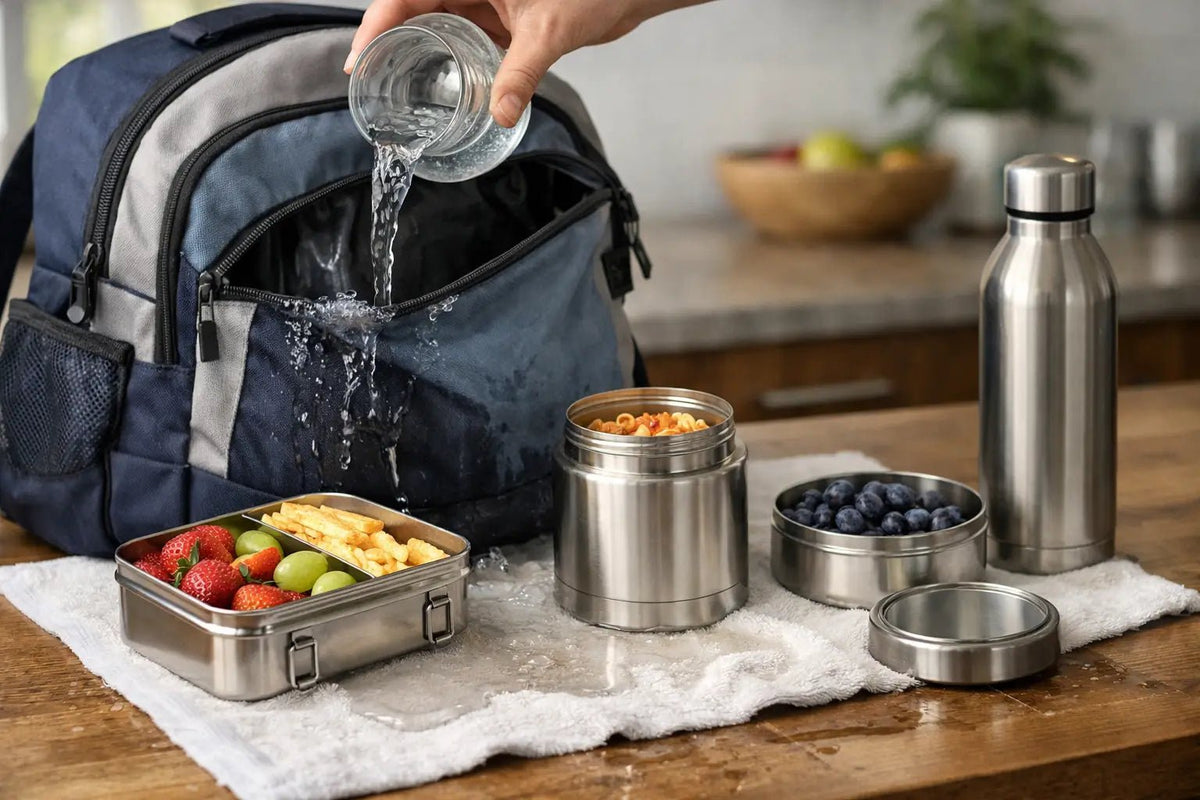
Clips and seals work together. The clips hold the lid in position, while a fitted silicone seal helps reduce movement and protects the contents. For lunches containing yoghurt, dips, juicy fruit or a saucy leftover, choose a container specifically described as leakproof rather than assuming every lidded lunchbox will hold liquids.
Leakproof performance also depends on how the box is packed. Overfilling a compartment, leaving food on the rim, or closing the lid over a bulky item can compromise the seal. A reliable lunchbox should make everyday packing easier, but it still needs a clean contact surface to do its job properly.
How to choose a lunchbox with easy-open clips
Start with the child who will use it, then work back to your usual lunches. A large lunchbox is not automatically better if it is awkward to carry, difficult to open or has sections that do not suit the food you actually pack. Likewise, a compact snack box can be ideal for morning tea but may not replace a full school lunch container.
When comparing options, check these four details before you decide:
- Clip size and grip: Look for tabs that are easy to find and hold with small fingers, without sharp edges or fiddly catches.
- Closure strength: The lid should sit securely and the clips should stay fastened when the box is lifted, tilted and carried in a bag.
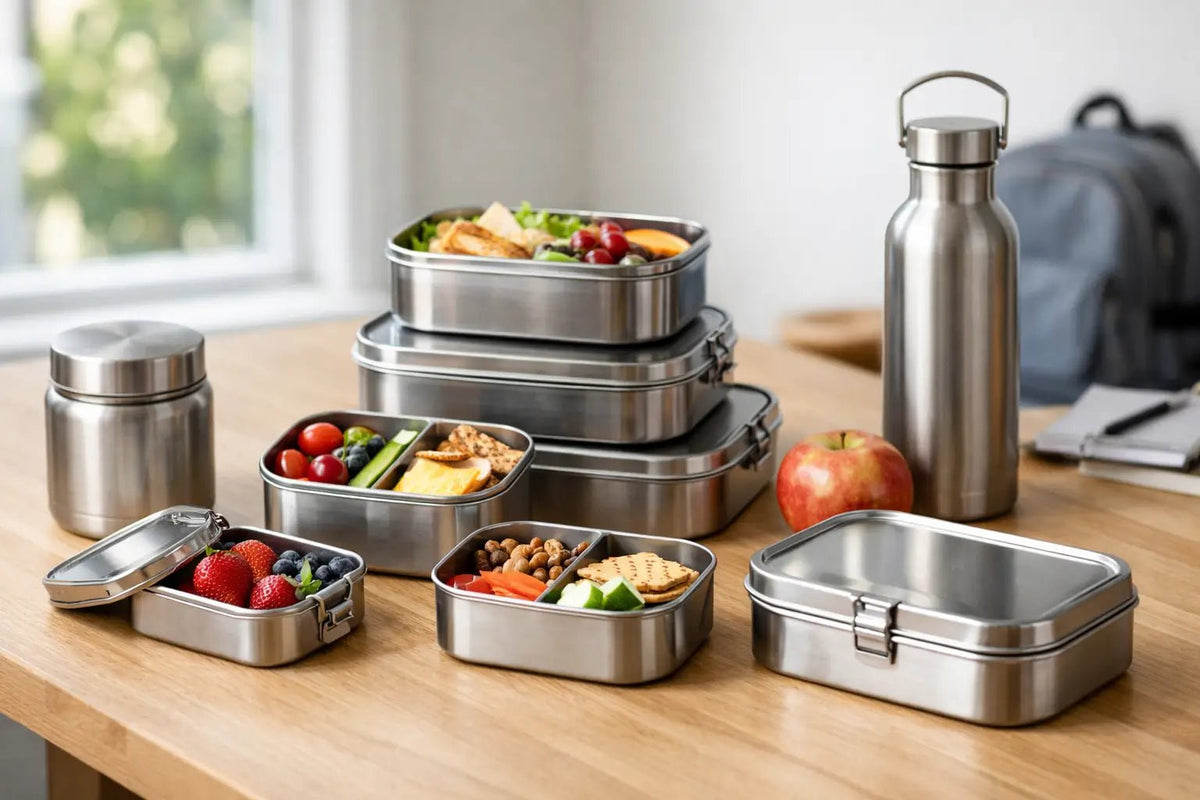
- Compartments and capacity: Choose a layout that suits your family's usual mix of sandwiches, wraps, fruit, crackers, vegetables and leftovers.
- Material and long-term care: Premium 304-grade stainless steel is durable for daily use and helps families reduce reliance on disposable food storage.
A thoughtfully made stainless steel lunchbox can also work beyond school. The same secure, easy-to-use design is helpful for work lunches, road trips, after-school sport, picnics and meal prep. That versatility can make a higher-quality container better value over time than something bought for one narrow purpose.
Pack for real school-bag conditions
A lunchbox is only as dependable as it is in the messy middle of a weekday. It needs to cope with being tipped sideways, put beneath a reader, carried from the car to the classroom and opened by a hungry child who is thinking more about lunch than lid alignment.
Keep wetter foods in a sealed compartment or in a separate container made for that purpose. Place firmer items, such as sandwiches or vegetable sticks, where they will not squash delicate fruit. If you are packing crackers near cut fruit, separate them to help keep textures fresh by lunchtime.
It is worth checking the lunchbox inside your child’s actual school bag. A box that looks compact on the bench may be a tight fit beside a jumper, library books and a drink bottle. It should slide in without pressure on the clips, as repeated force against the closure can affect how securely it sits.
For younger children, a simple routine helps. Show them which clip to open first, where to place the lid while they eat, and how to press the clips closed when finished. These small habits help prevent lost lids and loose food at the bottom of the bag.
Keep clips working well for longer
Even durable lunchboxes benefit from a little care. Rinse or wash the lid and seal thoroughly after foods such as hummus, yoghurt or dressing, as dried residue around the rim can interfere with closure. Let the parts dry fully before storing the lunchbox closed, particularly over weekends or school holidays.
Avoid forcing clips shut over an overfilled box. If the lid does not sit flat, remove or rearrange the food rather than pushing harder. This protects the clips and helps maintain a reliable seal.
Check the seal occasionally for crumbs or signs of wear, especially if the lunchbox is used every day. A well-made stainless steel container is built for the long haul, but replaceable parts and clear care instructions add confidence when you are buying for years of school lunches rather than a single term.
Meals In Steel focuses on premium stainless steel food storage designed for everyday use, with products backed by a 3-year warranty and trusted by Kiwi families for busy routines. That kind of long-term thinking matters when you are tired of replacing containers that have not kept up.
The right lunchbox should give your child one less thing to solve at lunchtime. Choose clips they can confidently open, a closure that stays secure in their bag, and a size that suits the food they genuinely enjoy eating. Then let the lunchbox do its quiet job, day after day.


Leave a comment
This site is protected by hCaptcha and the hCaptcha Privacy Policy and Terms of Service apply.